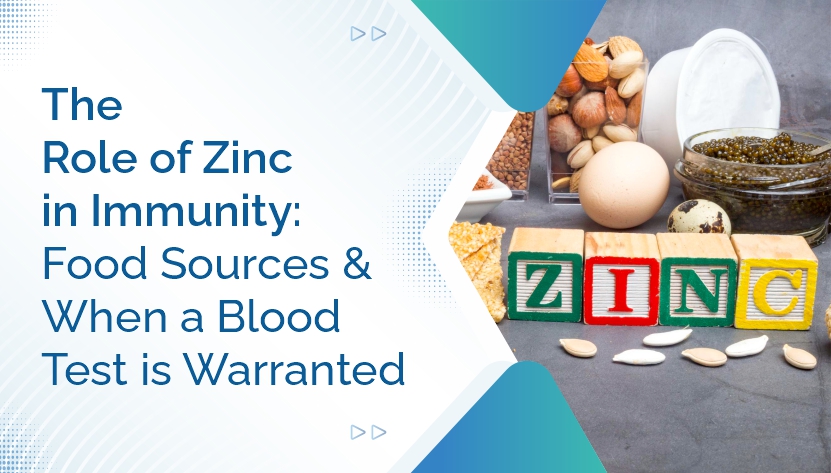


Zinc is a vital trace mineral that plays a crucial role in maintaining overall health. Although the body requires only small amounts of zinc, its impact on immunity, wound healing, growth, metabolism, and cellular function is significant. In recent years, zinc has gained widespread attention for its role in supporting the immune system, especially during seasonal infections and viral illnesses.
Despite its importance, zinc deficiency remains a common nutritional concern worldwide, including in India. Dietary habits, digestive disorders, certain medical conditions, and increased physiological demands can all contribute to inadequate zinc levels. Since the body cannot store large quantities of zinc, regular intake through food is essential.
What Is Zinc?
Zinc is an essential mineral involved in more than 300 enzymatic reactions in the body. It is found in every cell and contributes to:
Because the body does not naturally produce zinc, it must be obtained from food or supplements.
Why Zinc Is Important for Immunity
The immune system relies heavily on adequate zinc levels to function effectively.
1. Supports Immune Cell Development
Zinc helps produce and activate several types of immune cells, including:
These cells identify and eliminate harmful pathogens such as bacteria, viruses, and fungi.
Without sufficient zinc, immune responses become weaker and less efficient.
2. Strengthens the Body's First Line of Defense
The skin and mucous membranes act as physical barriers against infections.
Zinc helps:
Healthy barriers reduce the likelihood of pathogens entering the body.
3. Helps Regulate Inflammation
Inflammation is a normal immune response, but excessive inflammation can damage healthy tissues.
Zinc helps regulate inflammatory pathways and supports a balanced immune reaction.
Adequate zinc levels may help reduce chronic low-grade inflammation associated with:
4. Supports Antiviral Activity
Research suggests that zinc may interfere with the replication of certain viruses and enhance antiviral immune responses.
While zinc is not a cure for viral infections, maintaining adequate zinc levels can help the body respond more effectively to infections such as:
Some studies indicate that zinc lozenges may shorten the duration of common cold symptoms when taken early.
5. Protects Against Oxidative Stress
Zinc functions as an antioxidant and helps protect immune cells from oxidative damage caused by free radicals.
This protection is especially important during infections, when oxidative stress increases significantly.
Signs and Symptoms of Zinc Deficiency
Mild zinc deficiency may go unnoticed initially, but prolonged deficiency can affect immunity and overall health.
Common symptoms include:
Frequent Infections
People with zinc deficiency may experience:
Slow Wound Healing
Cuts, burns, and wounds may take longer than usual to heal.
Hair Loss
Diffuse hair thinning or excessive hair shedding can occur.
Poor Appetite
Zinc deficiency can affect appetite regulation and food intake.
Loss of Taste or Smell
A reduced ability to taste or smell is a classic sign of zinc deficiency.
Skin Problems
Possible manifestations include:
Fatigue and Weakness
Low zinc levels may contribute to reduced energy levels and overall weakness.
Growth Issues in Children
Children with zinc deficiency may experience:
Who Is at Higher Risk of Zinc Deficiency?
Certain groups are more vulnerable to inadequate zinc intake or absorption.
Vegetarians and Vegans
Plant-based foods contain phytates that reduce zinc absorption.
While vegetarian diets can provide zinc, careful meal planning is important.
Older Adults
Age-related changes in:
Pregnant and Breastfeeding Women
Requirements for zinc increase during:
People with Digestive Disorders
Conditions that impair nutrient absorption include:
Individuals with Chronic Diseases
Certain chronic conditions may lower zinc status, including:
People with Alcohol Dependence
Excessive alcohol consumption can reduce zinc absorption and increase zinc losses.
Recommended Daily Zinc Intake
| Group | Daily Zinc Requirement |
|---|---|
| Adult Men | 11 mg |
| Adult Women | 8 mg |
| Pregnant Women | 11–12 mg |
| Breastfeeding Women | 12–13 mg |
Requirements may differ based on individual health status and dietary patterns.
Best Food Sources of Zinc
Obtaining zinc from food is generally the safest and most effective approach.
Animal-Based Sources
Animal foods provide highly bioavailable zinc.
Seafood
Seafood is among the richest sources.
Examples include:
Oysters contain exceptionally high amounts of zinc.
Meat
Good sources include:
Eggs
Eggs provide moderate amounts of zinc along with high-quality protein.
Dairy Products
Sources include:
These contribute modest amounts of zinc and support overall nutrition.
Plant-Based Sources
Vegetarians can obtain zinc through various plant foods.
Legumes
Examples include:
Nuts and Seeds
Excellent choices include:
Pumpkin seeds are particularly rich in zinc.
Whole Grains
Sources include:
However, phytates present in grains may reduce zinc absorption.
Soy Products
Examples include:
Fermented soy products may offer better mineral absorption.
Indian Foods Rich in Zinc
Several traditional Indian foods can help meet daily zinc requirements.
Vegetarian Sources
Non-Vegetarian Sources
Combining diverse zinc-rich foods throughout the day improves intake.
Factors That Affect Zinc Absorption
Not all consumed zinc is absorbed equally.
Phytates
Found in:
Phytates bind zinc and reduce absorption.
Methods that reduce phytates include:
Excess Iron Supplements
High-dose iron supplements may interfere with zinc absorption when taken together.
Gastrointestinal Disorders
Conditions affecting the intestines can significantly reduce zinc absorption.
Chronic Diarrhea
Ongoing diarrhea increases zinc loss and may lead to deficiency.
Can Zinc Supplements Boost Immunity?
Zinc supplements can help individuals who have a documented deficiency or inadequate dietary intake.
Potential benefits include:
However, more zinc is not always better.
Excessive supplementation can cause:
Long-term supplementation should only be taken under medical supervision.
When Is a Zinc Blood Test Warranted?
A zinc blood test is not routinely recommended for healthy individuals.
However, testing may be appropriate under certain circumstances.
Persistent Signs of Deficiency
Testing may be considered if a person experiences:
Suspected Malabsorption Disorders
Healthcare providers may order zinc testing for patients with:
Long-Term Nutritional Deficiencies
Individuals with restricted diets or poor nutritional status may benefit from evaluation.
Chronic Liver or Kidney Disease
These conditions can affect zinc metabolism and increase deficiency risk.
Monitoring Supplementation
People taking long-term zinc supplements may require periodic monitoring to prevent excessive intake and nutrient imbalances.
Understanding Zinc Blood Test Results
The most commonly performed test is serum or plasma zinc measurement.
Interpretation can be challenging because zinc levels may fluctuate due to:
A healthcare professional will evaluate test results alongside symptoms and clinical history.
Normal laboratory ranges may vary slightly between laboratories.
Can You Have Normal Zinc Levels but Still Experience Symptoms?
Yes.
Since most zinc resides inside cells rather than circulating in blood, serum zinc levels may not always accurately reflect total body zinc status.
Healthcare providers often consider:
before making a diagnosis.
Practical Tips to Maintain Healthy Zinc Levels
To support immunity naturally:
Eat Zinc-Rich Foods Daily
Include:
Improve Mineral Absorption
Use traditional preparation methods such as:
Maintain Gut Health
A healthy digestive system supports nutrient absorption.
Avoid Unnecessary Supplementation
Take zinc supplements only when advised by a healthcare professional.
Follow a Balanced Diet
Zinc works alongside other nutrients, including:
for optimal immune function.
Conclusion
Zinc is one of the most important minerals for a healthy immune system. It supports immune cell production, strengthens the body's natural barriers, regulates inflammation, promotes wound healing, and helps protect against infections. Even mild zinc deficiency can impair immune responses and increase susceptibility to illness.
Fortunately, zinc can be obtained through a balanced diet that includes legumes, nuts, seeds, dairy products, eggs, seafood, and lean meats. Individuals at higher risk of deficiency such as vegetarians, older adults, pregnant women, and people with digestive disorders should pay particular attention to their zinc intake.
Food-related reactions are often lumped together under a single umbrella, but food...
17-09-2026
For decades, cholesterol testing has been the cornerstone of cardiovascular risk...
17-09-2026

Chronic fatigue syndrome (chronic fatigue syndrome), also known as myalgic encephalomyelitis...
17-09-2026
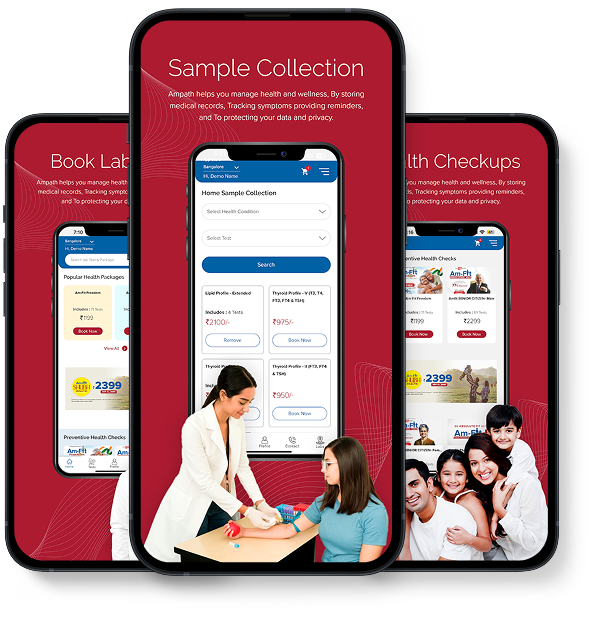
Book lab tests, access reports instantly, and get seamless home sample collection with advanced technology.
Trusted by millions, Ampath Labs ensures accurate diagnostics, convenience, and care at your fingertips.



 Ludhiana



 Get 15% OFF on 1st order above ₹100 Use code:



































































.jpg)