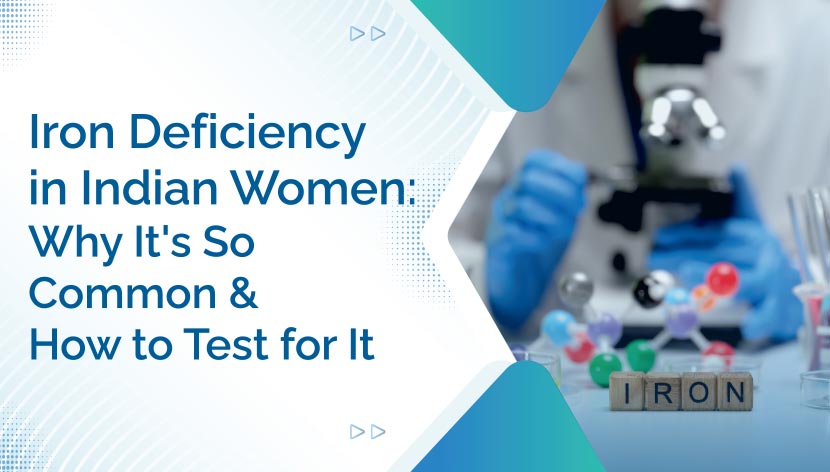


Iron deficiency is one of the most widespread nutritional problems among Indian women, cutting across age groups and socioeconomic backgrounds. Studies have consistently shown that a significant proportion of Indian women suffer from some degree of iron deficiency, often without realising it until symptoms become disruptive. Understanding why this happens and how to test for it is the first step toward better management.
Why Is Iron Deficiency So Common Among Indian Women?
Several overlapping factors contribute to the high prevalence of iron deficiency in Indian women:
Symptoms of Iron Deficiency
Because these symptoms overlap with many other conditions, testing is essential to confirm iron deficiency rather than relying on symptoms alone.
Key Tests to Diagnose Iron Deficiency
1. Complete Blood Count (CBC)
This is usually the first test ordered. It measures hemoglobin, hematocrit, and red blood cell indices such as MCV (mean corpuscular volume), which tend to be low in iron deficiency anemia.
2. Serum Ferritin
Ferritin reflects the body’s stored iron and is considered the most sensitive early marker of iron deficiency, often dropping before hemoglobin levels fall.
3. Serum Iron
This measures the amount of iron currently circulating in the blood, though it can fluctuate throughout the day and isn’t used alone for diagnosis.
4. Total Iron-Binding Capacity (TIBC)
TIBC measures the blood’s capacity to bind and transport iron. It typically rises when iron stores are low.
5. Transferrin Saturation
This is calculated from serum iron and TIBC and gives a clearer picture of how much iron is actually available for the body’s use.
6. Peripheral Blood Smear
In some cases, a smear may be examined under a microscope to identify characteristic changes in red blood cell shape and size associated with iron deficiency.
Stages of Iron Deficiency
Testing at earlier stages allows for correction before anemia sets in.
Who Should Get Tested?
Managing and Preventing Iron Deficiency
Conclusion
Iron deficiency remains a significant but often under-recognised health issue among Indian women. Because symptoms can be subtle or mistaken for everyday tiredness, laboratory testing is the most reliable way to detect and monitor iron status. If you suspect you may be iron deficient, timely testing and appropriate dietary or medical intervention can make a meaningful difference to your energy levels and overall health.
Frequently Asked Questions
Q1. What is the most accurate test for iron deficiency? Serum ferritin is generally considered the most reliable early indicator, though doctors often combine it with CBC and iron studies for a complete picture.
Q2. Can iron deficiency occur without anemia? Yes. Iron stores can be depleted before hemoglobin levels drop, which is why ferritin testing is valuable even when CBC results appear normal.
Q3. How often should Indian women get tested for iron deficiency? Women with risk factors like heavy periods or vegetarian diets may benefit from annual testing, while others can follow their doctor’s recommendation based on symptoms.
Q4. Can iron deficiency affect mental health? Yes, iron deficiency has been linked to fatigue, poor concentration, irritability, and even symptoms resembling low mood.

Food-related reactions are often lumped together under a single umbrella, but food...
17-09-2026
For decades, cholesterol testing has been the cornerstone of cardiovascular risk...
17-09-2026
Chronic fatigue syndrome (chronic fatigue syndrome), also known as myalgic encephalomyelitis...
17-09-2026
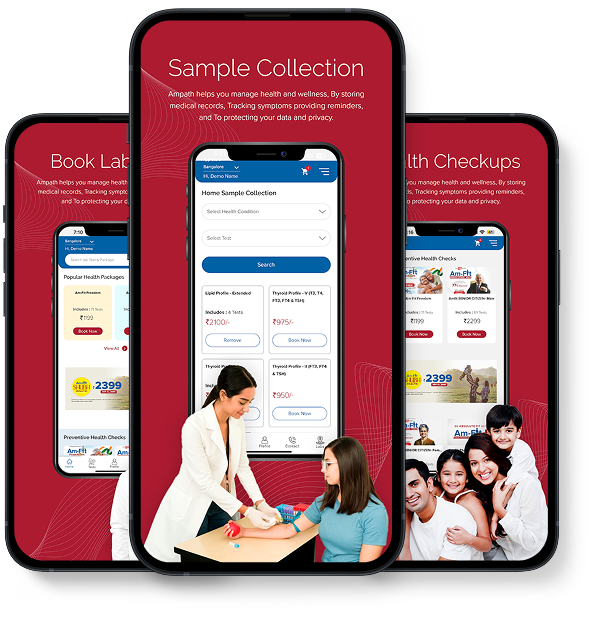
Book lab tests, access reports instantly, and get seamless home sample collection with advanced technology.
Trusted by millions, Ampath Labs ensures accurate diagnostics, convenience, and care at your fingertips.



 Select Location



 Get 15% OFF on 1st order above ₹100 Use code:


































































.jpg)