
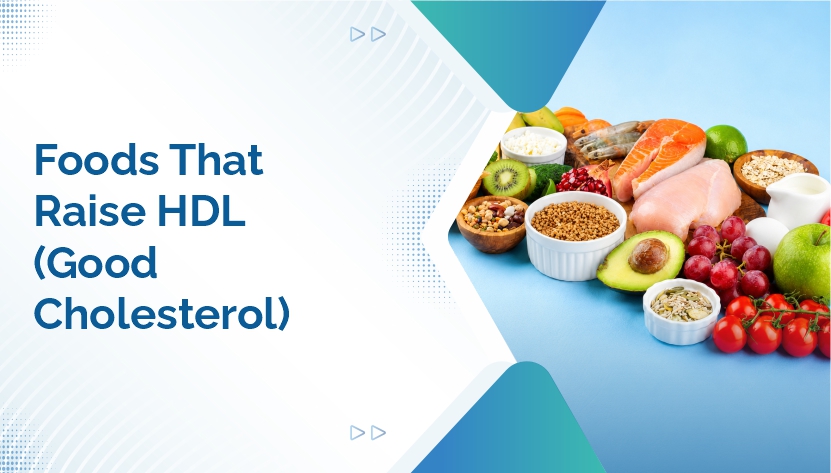


Heart disease remains one of the leading causes of death worldwide, making cholesterol management a critical aspect of maintaining long-term health. While most people focus on lowering LDL ("bad") cholesterol, increasing HDL ("good") cholesterol is equally important for cardiovascular protection. HDL cholesterol helps remove excess cholesterol from the bloodstream and transports it back to the liver for processing and elimination.
One of the most effective ways to improve HDL levels is through dietary choices. Certain foods contain healthy fats, antioxidants, fiber, and essential nutrients that can naturally support HDL production and function.
What Is HDL Cholesterol?
HDL stands for High-Density Lipoprotein. It is often referred to as "good cholesterol" because it helps clear excess cholesterol from your arteries.
Unlike LDL cholesterol, which can accumulate in blood vessel walls and contribute to plaque formation, HDL acts like a cleanup crew. It transports excess cholesterol from tissues and blood vessels back to the liver, where it can be broken down and removed from the body.
Healthy HDL Levels
According to most cardiovascular guidelines:
| HDL Level | Interpretation |
|---|---|
| Below 40 mg/dL (men) | Low |
| Below 50 mg/dL (women) | Low |
| 60 mg/dL or higher | Protective against heart disease |
Higher HDL levels are generally associated with a lower risk of heart attack, stroke, and other cardiovascular conditions.
Why Is HDL Important?
HDL cholesterol performs several important functions:
1. Removes Excess Cholesterol
HDL helps transport cholesterol away from arteries and back to the liver.
2. Reduces Inflammation
HDL has anti-inflammatory properties that protect blood vessels from damage.
3. Prevents Plaque Formation
By removing excess cholesterol, HDL reduces the risk of atherosclerosis.
4. Supports Blood Vessel Health
Healthy HDL levels help maintain proper endothelial function, which is essential for normal blood circulation.
5. Lowers Cardiovascular Risk
Numerous studies have linked higher HDL levels with a reduced risk of heart disease and stroke.
Can Food Really Increase HDL?
Yes. Although genetics influence cholesterol levels, lifestyle choices play a significant role.
Research shows that:
The goal is not only to raise HDL quantity but also to improve HDL quality and efficiency.
Best Foods That Raise HDL Cholesterol
1. Fatty Fish
Fatty fish are among the most heart-healthy foods available.
Examples
Why They Help
Fatty fish are rich in omega-3 fatty acids, particularly EPA and DHA, which:
How Much to Eat
Aim for 2–3 servings per week.
2. Olive Oil
Extra virgin olive oil is a cornerstone of the Mediterranean diet and is strongly associated with improved cholesterol profiles.
Benefits
Easy Ways to Include It
Recommended Amount
About 1–2 tablespoons daily.
3. Avocados
Avocados are packed with heart-friendly monounsaturated fats.
Nutritional Benefits
Serving Ideas
One avocado several times per week can contribute to improved cholesterol balance.
4. Nuts
Nuts contain healthy fats, plant sterols, and antioxidants that support cardiovascular health.
Best Choices
Benefits
Recommended Serving
A small handful (about 30 grams) daily.
5. Seeds
Seeds are nutritional powerhouses that support cholesterol management.
Top Options
Why They Work
They provide:
How to Use
6. Oats and Whole Grains
While oats are best known for lowering LDL cholesterol, they also support overall cholesterol balance.
Key Nutrient
Beta-glucan, a soluble fiber that improves lipid metabolism.
Examples
Benefits
7. Legumes
Beans and lentils are excellent additions to a heart-healthy diet.
Examples
Benefits
Additional Advantage
They are excellent plant-based protein sources that can replace red meat.
8. Dark Chocolate
Good news for chocolate lovers—dark chocolate may positively influence HDL levels.
Important Note
Choose chocolate containing at least 70% cocoa.
Benefits
Portion Control
Limit to 20–30 grams daily.
9. Berries
Berries are loaded with antioxidants that support cardiovascular function.
Best Options
Benefits
Easy Ways to Eat More
10. Green Leafy Vegetables
Vegetables contribute to healthy cholesterol levels through fiber, antioxidants, and micronutrients.
Examples
Benefits
Aim for at least 2–3 servings daily.
11. Soy Foods
Soy-based foods can improve lipid profiles when used as alternatives to processed meats.
Healthy Choices
Benefits
12. Eggs
Eggs were once considered problematic for cholesterol, but modern research suggests moderate consumption is generally safe for healthy individuals.
Benefits
Egg yolks contain:
Some studies indicate eggs may increase HDL cholesterol in many individuals.
Recommended Intake
Up to one egg daily is appropriate for most healthy adults unless otherwise advised by a healthcare provider.
13. Fruits Rich in Healthy Fiber
Certain fruits can improve overall cholesterol balance.
Examples
Benefits
14. Fermented Foods
Emerging research suggests gut health may influence cholesterol metabolism.
Examples
Benefits
Foods That Can Lower HDL Levels
Just as some foods raise HDL, others may reduce it or impair its protective function.
Limit:
Trans Fats
Found in:
Refined Carbohydrates
Examples include:
Excess Sugar
High sugar intake can:
Processed Meats
Examples:
Lifestyle Habits That Increase HDL
Diet works best when combined with healthy lifestyle practices.
Exercise Regularly
Physical activity is one of the most effective ways to increase HDL.
Best Options
Aim for at least 150 minutes per week.
Maintain a Healthy Weight
Weight loss often leads to:
Even a 5–10% reduction in body weight can improve cholesterol profiles.
Stop Smoking
Smoking significantly lowers HDL cholesterol.
Benefits of quitting include:
Limit Alcohol Intake
Moderate alcohol consumption has been associated with slightly higher HDL levels in some studies. However, alcohol is not recommended as a strategy to improve cholesterol because its risks often outweigh potential benefits.
Sample HDL-Boosting Meal Plan
Breakfast
Mid-Morning Snack
Lunch
Afternoon Snack
Dinner
Evening Snack
When Should You Get Your Cholesterol Tested?
Adults should regularly monitor their lipid profile, especially if they have:
A complete lipid profile measures:
Regular testing helps assess cardiovascular risk and evaluate the effectiveness of dietary and lifestyle changes.
Conclusion
HDL cholesterol plays a vital role in protecting your heart and blood vessels. While genetics influence HDL levels, your daily food choices can significantly impact both the amount and functionality of HDL cholesterol.
Foods rich in healthy fats, omega-3s, fiber, and antioxidants—including fatty fish, olive oil, avocados, nuts, seeds, legumes, berries, and whole grains—can naturally support higher HDL levels and better cardiovascular health.
Food-related reactions are often lumped together under a single umbrella, but food...
17-09-2026
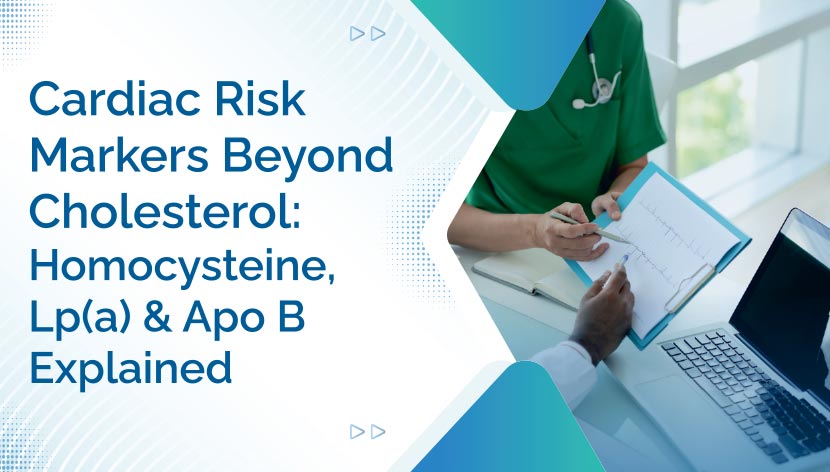
For decades, cholesterol testing has been the cornerstone of cardiovascular risk...
17-09-2026

Chronic fatigue syndrome (chronic fatigue syndrome), also known as myalgic encephalomyelitis...
17-09-2026
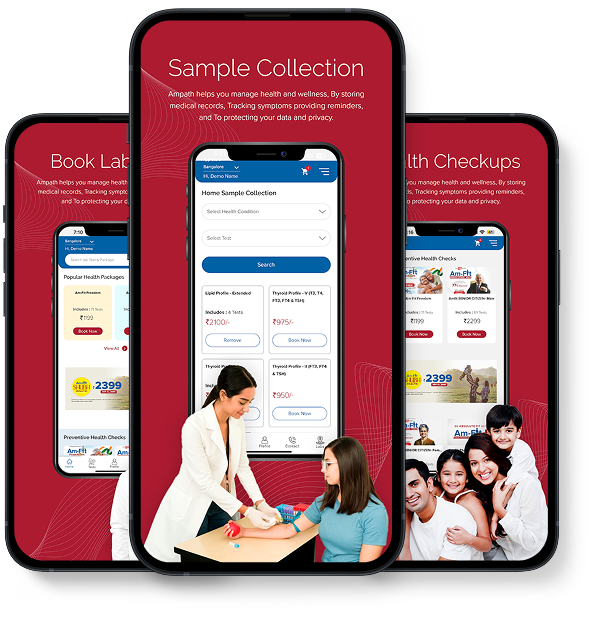
Book lab tests, access reports instantly, and get seamless home sample collection with advanced technology.
Trusted by millions, Ampath Labs ensures accurate diagnostics, convenience, and care at your fingertips.



 Ludhiana


 Get 15% OFF on 1st order above ₹100 Use code:



































































.jpg)