


Polycystic Ovary Syndrome (PCOS) is one of the most common hormonal disorders affecting adolescent girls and women of reproductive age. Studies estimate that PCOS affects between 6% and 13% of women worldwide, and many cases begin during the teenage years. However, because symptoms often overlap with normal puberty-related changes, PCOS frequently goes undiagnosed in adolescents until complications such as irregular periods, weight gain, infertility, or metabolic issues arise later in life.
Early identification of PCOS can help teenage girls receive timely treatment, improve hormone balance, manage symptoms, and reduce the risk of long-term health problems such as type 2 diabetes, cardiovascular disease, and infertility. Blood tests play a crucial role in the early detection of PCOS by evaluating hormone levels, insulin resistance, and metabolic health.
What Is PCOS?
PCOS is a hormonal and metabolic condition characterized by:
In teenage girls, diagnosing PCOS can be challenging because symptoms such as acne, irregular cycles, and mood changes are common during puberty. Therefore, doctors rely heavily on clinical evaluation and blood tests to distinguish normal adolescent development from an underlying hormonal disorder.
Why Early Detection of PCOS Is Important
Identifying PCOS during adolescence offers several benefits:
Prevents Long-Term Health Complications
Untreated PCOS increases the risk of:
Improves Menstrual Health
Early treatment can help regulate menstrual cycles and reduce heavy or prolonged bleeding.
Supports Mental Health
Teenage girls with PCOS often experience:
Early diagnosis allows appropriate emotional and psychological support.
Protects Future Fertility
Managing hormone imbalances early can improve reproductive health and reduce fertility-related complications later in life.
Common Symptoms of PCOS in Teenage Girls
A healthcare provider may recommend blood tests if a teenager experiences:
When these symptoms occur together, blood testing becomes an important diagnostic tool.
How Blood Tests Help Diagnose PCOS
There is no single blood test that confirms PCOS.
Instead, doctors evaluate several hormone and metabolic markers to:
A combination of test results and clinical symptoms helps establish the diagnosis.
1. Total Testosterone Test
One of the most important blood tests for PCOS is the testosterone test.
Why It Matters
Women naturally produce small amounts of testosterone. In PCOS, androgen production often increases.
Elevated testosterone may cause:
What High Levels May Indicate
Higher-than-normal testosterone levels suggest hyperandrogenism, one of the hallmark features of PCOS.
Typical Symptoms Associated With High Testosterone
Testing testosterone helps doctors identify androgen excess early.
2. Free Testosterone Test
Free testosterone measures the portion of testosterone not bound to proteins in the bloodstream.
Why It's Important
Sometimes total testosterone levels appear normal while free testosterone levels are elevated.
Free testosterone is often considered a more sensitive marker for detecting:
Many specialists order both total and free testosterone tests for a more accurate assessment.
3. DHEA-S (Dehydroepiandrosterone Sulfate)
DHEA-S is an androgen produced primarily by the adrenal glands.
Why Doctors Check It
Elevated DHEA-S levels may contribute to:
Role in PCOS Diagnosis
Many teenage girls with PCOS show mildly elevated DHEA-S levels.
The test also helps doctors distinguish PCOS from adrenal disorders that can mimic PCOS symptoms.
4. LH (Luteinizing Hormone)
LH is a reproductive hormone released by the pituitary gland.
What LH Does
LH helps trigger ovulation and regulate the menstrual cycle.
LH in PCOS
Girls with PCOS often have elevated LH levels compared to FSH levels.
A high LH-to-FSH ratio has traditionally been associated with PCOS.
Although this ratio alone cannot diagnose PCOS, it provides valuable supporting information.
5. FSH (Follicle-Stimulating Hormone)
FSH stimulates ovarian follicle development.
Why It's Tested
FSH helps evaluate ovarian function and reproductive health.
What Doctors Look For
In PCOS:
This hormonal imbalance can interfere with regular ovulation.
6. Anti-Müllerian Hormone (AMH)
AMH has emerged as an important marker in PCOS evaluation.
What AMH Measures
AMH reflects the number of developing follicles in the ovaries.
Why It Is Useful
Girls with PCOS often have:
Research suggests that AMH may help identify PCOS even before ultrasound findings become obvious.
Advantages
However, AMH alone cannot confirm PCOS.
7. Fasting Insulin Test
Insulin resistance affects approximately 50–70% of individuals with PCOS.
Why This Test Matters
High insulin levels stimulate the ovaries to produce more androgens.
This contributes to:
What Elevated Insulin Suggests
High fasting insulin levels may indicate insulin resistance, even when blood sugar levels appear normal.
Detecting insulin resistance early can prevent future diabetes.
8. Fasting Blood Glucose Test
This test measures blood sugar after fasting for at least eight hours.
Purpose
It helps evaluate:
Why It's Important in PCOS
Teenagers with PCOS have a higher likelihood of developing insulin resistance and glucose intolerance.
Monitoring blood sugar allows early intervention.
9. HbA1c Test
The HbA1c test measures average blood glucose levels over the previous two to three months.
Benefits
Unlike a single glucose measurement, HbA1c provides a longer-term picture of blood sugar control.
Why Doctors Order It
Many adolescents with PCOS may have:
HbA1c helps identify these issues before symptoms develop.
10. Lipid Profile
A lipid profile evaluates cholesterol and triglyceride levels.
Components Include
Why It Matters
PCOS is often associated with:
Detecting abnormalities early encourages healthier lifestyle changes.
11. Thyroid Function Tests
Thyroid disorders can mimic PCOS symptoms.
Tests Commonly Ordered
Symptoms Shared by Both Conditions
Doctors often check thyroid function before confirming a PCOS diagnosis.
12. Prolactin Test
Prolactin is a hormone produced by the pituitary gland.
Why It Is Tested
Elevated prolactin can cause:
Because hyperprolactinemia can resemble PCOS, testing prolactin helps rule out other conditions.
13. Sex Hormone-Binding Globulin (SHBG)
SHBG is a protein that binds testosterone in the bloodstream.
Why It's Important
Lower SHBG levels increase the amount of active testosterone.
In PCOS
Many girls with PCOS have:
Measuring SHBG improves interpretation of androgen levels.
Additional Tests That May Be Recommended
Depending on symptoms, healthcare providers may order:
Cortisol Testing
To rule out Cushing's syndrome.
17-Hydroxyprogesterone Test
To exclude congenital adrenal hyperplasia (CAH).
Oral Glucose Tolerance Test (OGTT)
For a more detailed assessment of insulin resistance and diabetes risk.
Can Blood Tests Alone Diagnose PCOS?
No.
A PCOS diagnosis in teenagers requires careful evaluation because normal puberty can temporarily cause:
Most experts recommend considering:
Menstrual Irregularities
Persistent irregular cycles more than two years after puberty.
Hyperandrogenism
Evidence of elevated androgens through symptoms or blood tests.
Exclusion of Other Conditions
Doctors must rule out thyroid disease, adrenal disorders, and elevated prolactin levels.
Blood tests provide essential information but are interpreted alongside medical history, physical examination, and sometimes imaging studies.
Preparing for PCOS Blood Tests
For the most accurate results:
Follow Fasting Instructions
Certain tests, including:
may require 8–12 hours of fasting.
Inform Your Doctor About Medications
Birth control pills and certain medications can affect hormone levels.
Schedule Testing Appropriately
Some hormone tests are ideally performed during specific phases of the menstrual cycle.
Your healthcare provider will guide timing based on individual circumstances.
Lifestyle Changes After Early PCOS Detection
Early diagnosis allows teenagers to adopt healthy habits that improve symptoms.
Balanced Nutrition
Focus on:
Regular Physical Activity
Exercise improves:
Sleep Management
Adequate sleep helps regulate metabolism and hormones.
Stress Reduction
Chronic stress can worsen hormonal imbalances.
Activities such as yoga, meditation, and mindfulness can be beneficial.
When Parents Should Seek Medical Advice
Consult a healthcare professional if a teenage girl experiences:
Early evaluation can significantly improve long-term health outcomes.
Conclusion
PCOS often begins during adolescence, but many cases remain undiagnosed because its symptoms overlap with normal pubertal changes. Blood tests play a vital role in identifying hormonal and metabolic abnormalities associated with the condition. Tests such as testosterone, DHEA-S, LH, FSH, AMH, fasting insulin, HbA1c, lipid profile, thyroid function tests, and prolactin levels help healthcare providers detect PCOS early and rule out other disorders.
While no single blood test can definitively diagnose PCOS, a comprehensive hormonal and metabolic assessment combined with clinical evaluation can provide valuable insights. Early detection allows timely intervention, helping teenage girls manage symptoms, improve quality of life, protect future fertility, and reduce the risk of long-term health complications. Regular medical follow-up and healthy lifestyle choices remain the foundation of effective PCOS management throughout adolescence and adulthood.
Food-related reactions are often lumped together under a single umbrella, but food...
17-09-2026
For decades, cholesterol testing has been the cornerstone of cardiovascular risk...
17-09-2026
Chronic fatigue syndrome (chronic fatigue syndrome), also known as myalgic encephalomyelitis...
17-09-2026
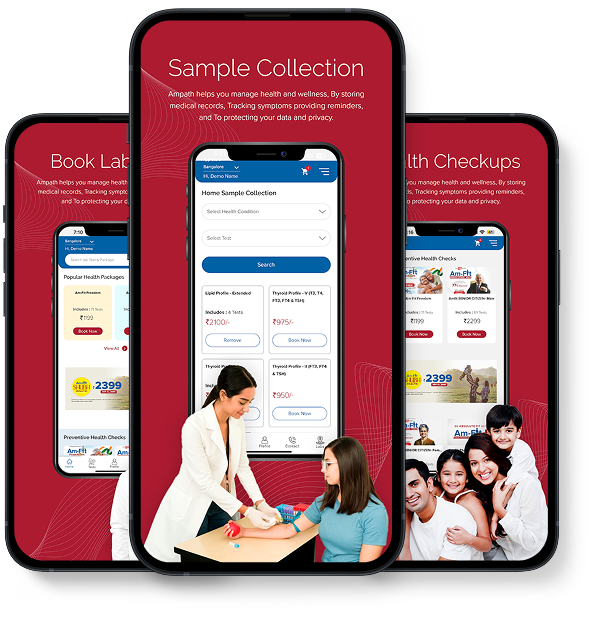
Book lab tests, access reports instantly, and get seamless home sample collection with advanced technology.
Trusted by millions, Ampath Labs ensures accurate diagnostics, convenience, and care at your fingertips.



 Ludhiana



 Get 15% OFF on 1st order above ₹100 Use code:



































































.jpg)