
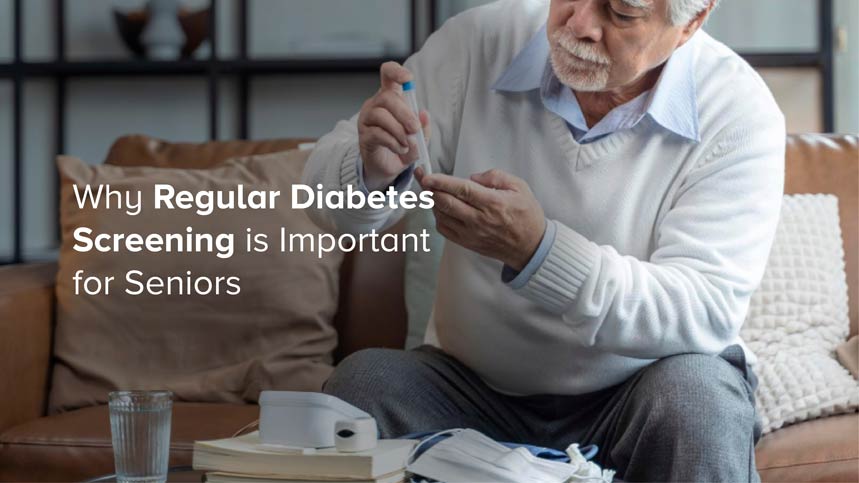


As we age, our bodies undergo numerous changes, and our risk for certain health conditions, including type 2 diabetes, increases. For seniors, proactive health management is not just a recommendation; it is a necessity for maintaining quality of life. Regular diabetes screening through specific blood tests is a cornerstone of this proactive approach. Understanding the importance of these screenings can empower seniors and their caregivers to take control of their health, detect potential issues early, and manage them effectively.
Diabetes is a chronic condition that affects how your body turns food into energy. If left undiagnosed or poorly managed, it can lead to severe health complications, including heart disease, kidney disease, nerve damage, and vision problems. Since the symptoms can be subtle or mistaken for normal signs of aging, many seniors may not realize they have the condition until significant damage has already occurred. This is why consistent screening is so crucial. It provides a clear, objective measure of your body's ability to manage blood sugar, offering peace of mind and a clear path forward for your health journey.
Growing Risk of Diabetes in Older Adults
The prevalence of diabetes is significantly higher in the senior population. According to various health studies, a substantial percentage of adults over the age of 65 have diabetes, and many more have prediabetes, a condition where blood sugar levels are higher than normal but not yet high enough to be diagnosed as type 2 diabetes.
Several factors contribute to this increased risk:
Essential Blood Tests for Diabetes Screening
Diagnosing diabetes and prediabetes is done through specific blood tests that measure glucose levels. These tests are simple, accurate, and provide definitive results. Your physician will determine which test is most appropriate for you based on your health history and risk factors.
Fasting Plasma Glucose (FPG) Test
The Fasting Plasma Glucose (FPG) test is one of the most common and reliable methods for diagnosing diabetes.
A1C Test (Glycated Hemoglobin Test)
The A1C test offers a broader view of your blood sugar control over a longer period. It is a convenient and highly effective screening tool.
For seniors, the A1C test is particularly useful because it is not affected by short-term fluctuations in diet or stress, providing a more stable and comprehensive picture of overall glycemic control.
Oral Glucose Tolerance Test (OGTT)
While less commonly used for routine screening, the Oral Glucose Tolerance Test (OGTT) is highly effective at diagnosing diabetes, especially in cases where FPG or A1C results are borderline.
Conclusion
For seniors, understanding the risks associated with diabetes and the importance of regular screening is the first step toward a healthier future. Early detection through simple blood tests can prevent serious health complications and allow for timely intervention, whether through lifestyle changes or medical treatment. Regular monitoring empowers you to manage your health proactively, ensuring you can continue to live an active and fulfilling life.
If you are over the age of 65 or have risk factors for diabetes, it is essential to speak with your doctor about a screening schedule that is right for you. At AMPATH Labs, we are committed to providing accessible, accurate, and affordable diagnostic services. Our state-of-the-art facilities and certified professionals ensure you receive the highest standard of care.

Food-related reactions are often lumped together under a single umbrella, but food...
17-09-2026

For decades, cholesterol testing has been the cornerstone of cardiovascular risk...
17-09-2026

Chronic fatigue syndrome (chronic fatigue syndrome), also known as myalgic encephalomyelitis...
17-09-2026
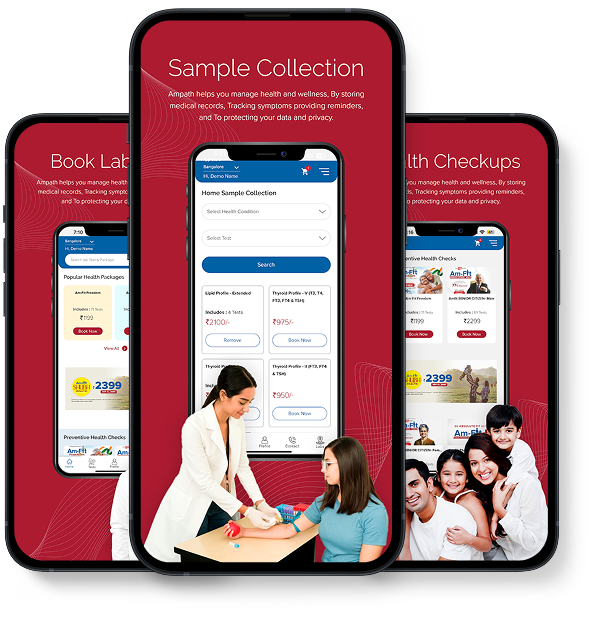
Book lab tests, access reports instantly, and get seamless home sample collection with advanced technology.
Trusted by millions, Ampath Labs ensures accurate diagnostics, convenience, and care at your fingertips.



 Select Location



 Get 15% OFF on 1st order above ₹100 Use code:

































































.jpg)