
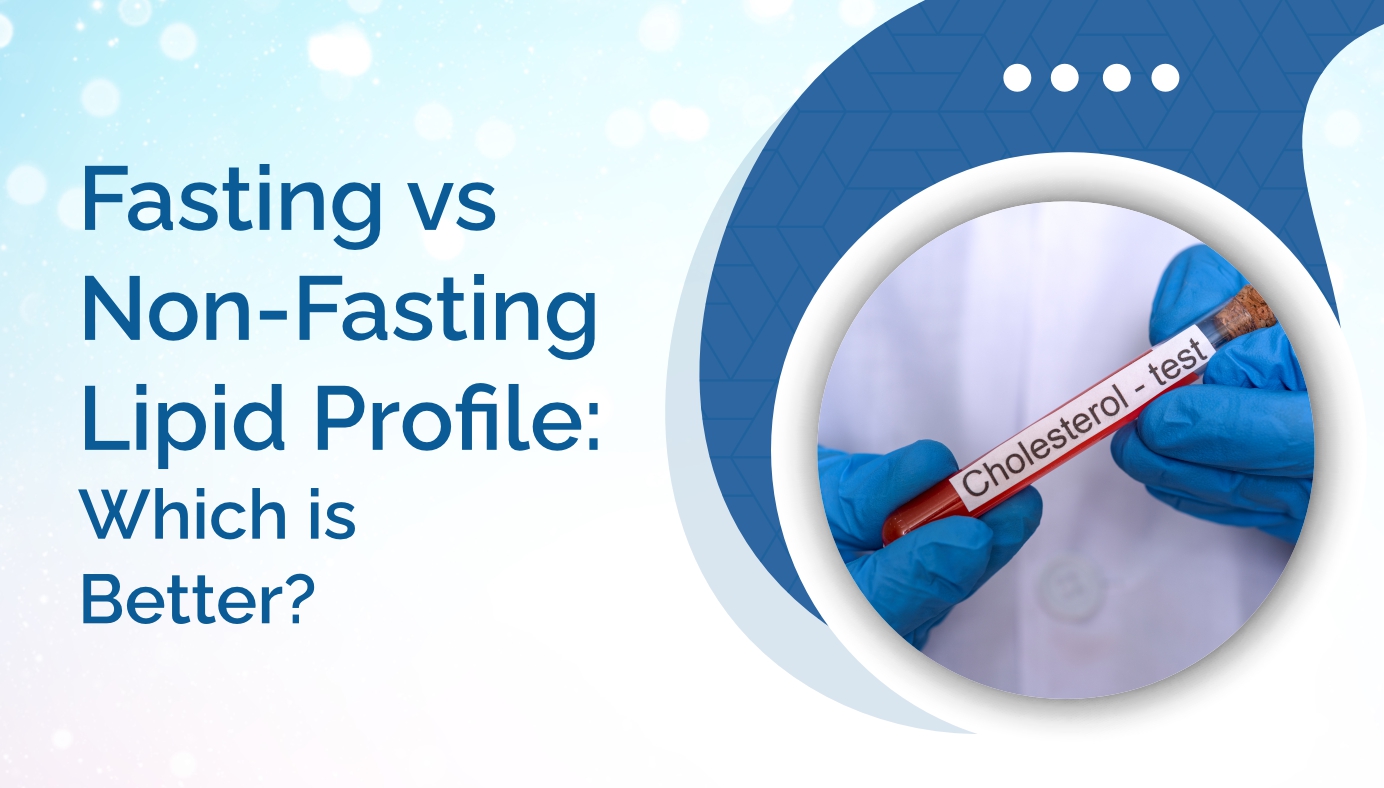


High cholesterol often presents with no symptoms, making it a silent threat to your cardiovascular health. The only definitive way to understand your cholesterol levels is through a blood test known as a lipid profile. This simple yet crucial diagnostic tool provides a detailed analysis of the fats in your blood, offering vital insights into your risk for heart disease and stroke.
What is a Lipid Profile?
A lipid profile, also referred to as a lipid panel, is a blood test that measures the amount of specific fat molecules, or lipids, in your blood. These lipids include different types of cholesterol and triglycerides. Elevated levels of certain lipids can lead to the buildup of plaque in your arteries, a condition known as atherosclerosis. Over time, this buildup can narrow the arteries, restrict blood flow, and significantly increase the risk of heart attack, stroke, and other cardiovascular diseases.
The test provides a comprehensive overview by measuring four key components:
Total Cholesterol: This is the overall amount of cholesterol in your blood, combining LDL-C, HDL-C, and other lipid components.
Low-Density Lipoprotein (LDL) Cholesterol: Often called "bad" cholesterol, high levels of LDL can lead to plaque buildup in your arteries.
High-Density Lipoprotein (HDL) Cholesterol: Known as "good" cholesterol, HDL helps remove excess cholesterol from your arteries, transporting it back to the liver where it is broken down and eliminated.
Triglycerides: This is a type of fat found in the blood that your body uses for energy. High levels of triglycerides, combined with high LDL or low HDL cholesterol, can increase your risk for heart disease.
General Screening Recommendations
Guidelines for lipid profile testing vary based on age, risk factors, and family history. Healthcare providers use this information to create a personalized screening schedule for each patient.
For Adults
It is generally recommended that all adults undergo their first lipid profile test in early adulthood.
Initial Screening: Most health organizations advise that healthy adults with no known risk factors for heart disease should have their first cholesterol test between the ages of 9 and 11, and then again between ages 17 and 21. For those who were not screened as children, a baseline test in their early 20s is recommended.
Routine Testing for Low-Risk Adults: If your initial test results are normal and you have no other risk factors, you should be re-tested every four to six years. This regular monitoring ensures that any changes in your lipid levels are detected early.
For Children and Adolescents
The rise in childhood obesity has led to an increase in cholesterol-related health issues among younger populations. As a result, screening recommendations have been expanded to include children.
Early Screening for High-Risk Children: Children with a family history of high cholesterol or premature heart disease may need to be tested earlier, sometimes as young as age 2. Additional risk factors like obesity, diabetes, or high blood pressure also warrant earlier and more frequent screening.
When to Get Tested More Frequently
Certain individuals have a higher risk of developing cardiovascular disease and require more frequent lipid profile testing. Your doctor will likely recommend a more aggressive screening schedule if you have one or more of the following risk factors.
Key Risk Factors for High Cholesterol
Family History: A family history of high cholesterol or premature heart disease (a male relative under 55 or a female relative under 65 who had a heart attack) significantly increases your risk.
Diabetes: People with diabetes often have higher triglyceride levels, lower HDL cholesterol, and higher LDL cholesterol, which increases the likelihood of developing atherosclerosis. Regular monitoring is essential.
High Blood Pressure (Hypertension): High blood pressure and high cholesterol are often linked, and together they can cause significant damage to your arteries.
Smoking: Smoking damages your blood vessels and lowers your HDL (good) cholesterol levels, making it a major risk factor for heart disease.
Obesity: A body mass index (BMI) of 30 or higher puts you at greater risk of having abnormal cholesterol levels.
Lack of Physical Activity: A sedentary lifestyle can lead to weight gain and contribute to higher cholesterol levels.
Existing Heart Disease: If you have already been diagnosed with coronary artery disease or have had a heart attack or stroke, your doctor will monitor your lipid levels closely to manage your condition and prevent further events.
If you fall into any of these high-risk categories, your healthcare provider may recommend testing annually or even more often, depending on your specific situation.
Preparing for Your Lipid Profile Test
To ensure the most accurate results, a lipid profile test typically requires you to fast for 9 to 12 hours before your blood is drawn. This means you should not eat or drink anything other than water during that period.
Your doctor will provide you with specific instructions. Be sure to inform them of any medications or supplements you are taking, as some can affect lipid levels.
Conclusion
A lipid profile test is used for assessing your cardiovascular health. Understanding the recommendations for screening allows you to take a proactive role in preventing heart disease and stroke. By knowing your numbers and working with your healthcare provider, you can implement lifestyle changes or medical treatments necessary to manage your cholesterol levels effectively.
If you have questions about your risk factors or believe it is time for your lipid profile to be checked, schedule a consultation with a healthcare professional. They can provide a comprehensive evaluation and recommend the appropriate testing schedule for your needs.

Food-related reactions are often lumped together under a single umbrella, but food...
17-09-2026

For decades, cholesterol testing has been the cornerstone of cardiovascular risk...
17-09-2026

Chronic fatigue syndrome (chronic fatigue syndrome), also known as myalgic encephalomyelitis...
17-09-2026
Book lab tests, access reports instantly, and get seamless home sample collection with advanced technology.
Trusted by millions, Ampath Labs ensures accurate diagnostics, convenience, and care at your fingertips.



 Select Location



 Get 15% OFF on 1st order above ₹100 Use code:



































































.jpg)