



Folate, also known as vitamin B9, is an essential nutrient that supports many vital processes in the body. It plays a key role in DNA formation, red blood cell production, and proper cell growth. While many people obtain enough folate through their diet, some individuals may develop a deficiency that requires medical attention.
A folate blood test measures the level of vitamin B9 in your blood and helps identify whether your body has sufficient stores. Understanding when this test is recommended can help prevent complications linked to low folate levels.
What Is Folate and Why Is It Important?
Folate is a water-soluble B vitamin naturally present in leafy green vegetables, legumes, citrus fruits, and whole grains. The synthetic form, known as folic acid, is commonly added to fortified foods and supplements.
Folate is essential for several critical bodily functions.
Red blood cell production: Folate is required to form healthy red blood cells. Without enough folate, the body produces large, immature red blood cells that do not carry oxygen efficiently.
DNA synthesis and repair: It supports the creation and repair of DNA, which is vital for normal cell function.
Cell growth and division: Folate is especially important during periods of rapid growth such as pregnancy and infancy.
Nervous system support: Adequate folate levels contribute to proper nerve function and may influence mood and cognitive health.
Symptoms That May Indicate a Folate Deficiency
Folate deficiency symptoms often develop gradually and can resemble other medical conditions. A blood test is the most reliable way to confirm low levels.
Persistent fatigue and weakness: Low folate can lead to megaloblastic anemia, resulting in constant tiredness and reduced energy.
Pale skin: A reduced number of healthy red blood cells can cause noticeable paleness.
Shortness of breath and dizziness: Inadequate oxygen delivery to tissues may lead to breathlessness and lightheadedness.
Mouth sores and tongue changes: Painful mouth ulcers or a swollen, red, or shiny tongue may occur.
Mood and cognitive changes: Irritability, low mood, poor concentration, and memory issues may be linked to low folate levels.
Who Is at Higher Risk of Folate Deficiency?
Certain individuals are more likely to develop folate deficiency and may benefit from regular testing.
Pregnant women or those planning pregnancy: Adequate folate is essential for fetal neural tube development, and deficiency can increase the risk of birth defects.
People with digestive disorders: Conditions such as celiac disease, Crohn’s disease, and ulcerative colitis can impair folate absorption.
Individuals with poor dietary intake: Diets low in fruits, vegetables, and legumes may not provide enough folate.
Excessive alcohol consumption: Alcohol interferes with folate absorption and increases its loss from the body.
Genetic factors: Certain genetic variations, such as MTHFR mutations, can affect how the body processes folate.
When a Doctor May Recommend a Folate Test
A healthcare provider may order a folate blood test for several reasons.
To evaluate symptoms of anemia or nutritional deficiency
As part of routine testing for high-risk individuals
To monitor response to folate supplementation
Alongside vitamin B12 testing, since deficiencies can present with similar symptoms
Conclusion
A folate blood test is a simple and effective way to assess your nutritional health. If you experience ongoing fatigue, anemia symptoms, or belong to a high-risk group, discussing folate testing with your healthcare provider is a proactive step.
Early detection of folate deficiency allows timely correction through diet, supplements, and management of underlying conditions. Maintaining healthy folate levels supports energy, blood health, and long-term well-being.

Food-related reactions are often lumped together under a single umbrella, but food...
17-09-2026

For decades, cholesterol testing has been the cornerstone of cardiovascular risk...
17-09-2026
Chronic fatigue syndrome (chronic fatigue syndrome), also known as myalgic encephalomyelitis...
17-09-2026
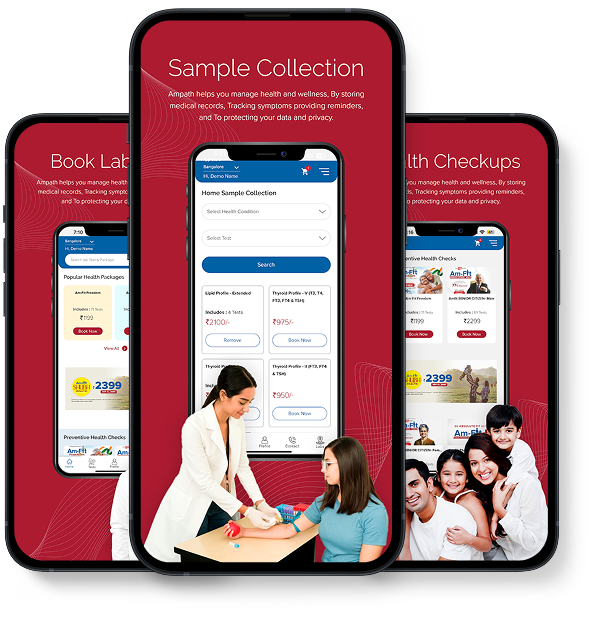
Book lab tests, access reports instantly, and get seamless home sample collection with advanced technology.
Trusted by millions, Ampath Labs ensures accurate diagnostics, convenience, and care at your fingertips.



 Select Location



 Get 15% OFF on 1st order above ₹100 Use code:



































































.jpg)