
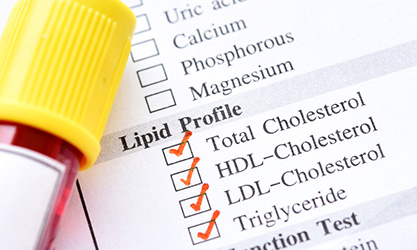


A lipid profile test, also commonly known as a cholesterol test, is done to measure the amount of cholesterol and triglycerides in your body. Monitoring and evaluating levels of cholesterol and triglyceride is advisable as their elevated levels can lead to a buildup of plaque in your blood vessels, which can cause damage and increase your risk of heart problems.
Many times, serious life-threatening diseases exist in the body without noticeable signs and symptoms. This heightens the need for preventive health check-ups. The lipid profile test can be taken as a regular screening test to check your cholesterol levels or as a preventive check for several conditions, especially heart related diseases. Subsequent testing can be done to monitor and evaluate cholesterol levels after treatment and lifestyle modifications.
Lipid profile test measures the following lipids in your blood:
A. Low-density Lipoprotein (LDL): LDL is commonly known as “bad cholesterol”. Excess LDL in your blood can lead to a build-up of fatty deposits(plaque) in your arteries, thereby reducing the blood flow and increasing the risk of heart ailments and stroke.
B. High-density Lipoprotein (HDL): HDL is also commonly known as “good cholesterol”as it reduces the buildup of LDL, ensuring the free flow of blood in the arteries.
C. Total Cholesterol: This is the total amount of cholesterol in your body.
D. Triglycerides: Extra calories from our food are converted into triglycerides and stored in our fat cells. Elevated triglyceride levels in your blood are not only linked to heart ailments but also diabetes, pancreatitis, and stroke.
It is important to understand the reference range for the components of the lipid profile.
1. LDL
Near Optimal-100-129 mg/dL
Borderline high-130-159 mg/dL
High risk-160 mg/dL and above
2. HDL
40mg/dL or less is considered a risk factor.
3. Triglycerides
Desirable- < 150mg/dL
High risk-> 200mg/dL
The importance and benefits of diagnosing an ailment in its initial stage are known to all. Treatment costs aside, timely intervention also reduces patient anxiety.
Getting your lipid profile checked is essential if:
However, it is advisable to get a lipid profile done if you have one or more of the following risk factors or habits:

Food-related reactions are often lumped together under a single umbrella, but food...
17-09-2026

For decades, cholesterol testing has been the cornerstone of cardiovascular risk...
17-09-2026

Chronic fatigue syndrome (chronic fatigue syndrome), also known as myalgic encephalomyelitis...
17-09-2026
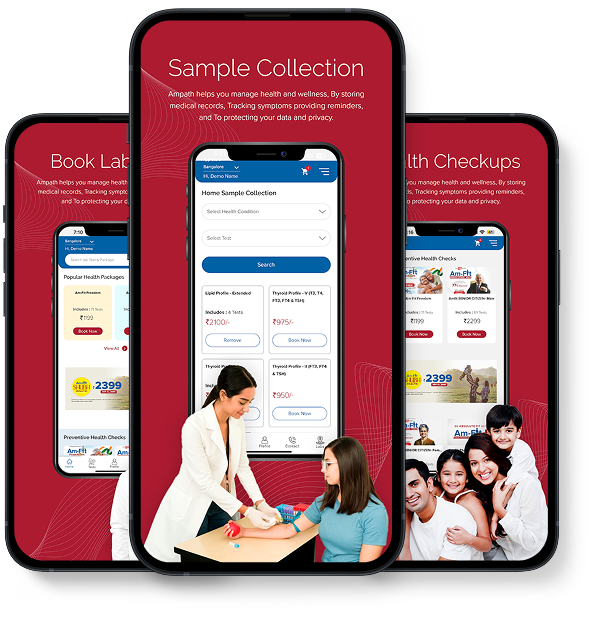
Book lab tests, access reports instantly, and get seamless home sample collection with advanced technology.
Trusted by millions, Ampath Labs ensures accurate diagnostics, convenience, and care at your fingertips.



 Select Location



 Get 15% OFF on 1st order above ₹100 Use code:



































































.jpg)