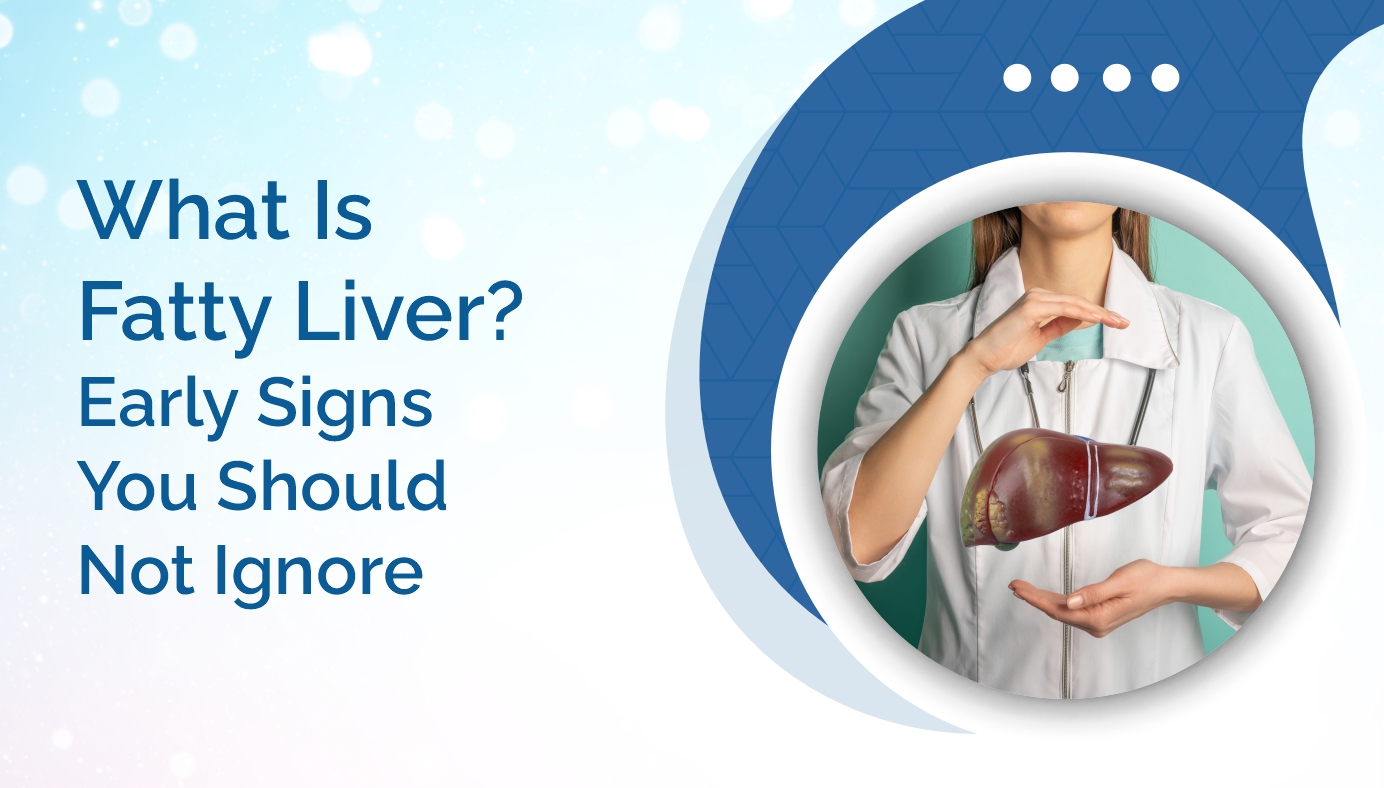


Your liver is one of the most hardworking organs in your body, performing hundreds of vital functions such as filtering toxins, regulating metabolism, and producing bile for digestion. Because it is highly resilient and capable of regeneration, liver problems often go unnoticed until significant damage has occurred.
One of the most common liver conditions today is fatty liver disease. While it was once linked mainly to heavy alcohol consumption, it is now increasingly found in people who drink little or no alcohol. Nearly a quarter of the global population is estimated to have some form of fatty liver disease.
The greatest danger of fatty liver disease lies in its silent progression. It often develops gradually without noticeable symptoms, but early detection can allow the liver to heal completely with timely intervention.
What Is Hepatic Steatosis?
Fatty liver disease, medically known as hepatic steatosis, occurs when excess fat accumulates inside liver cells. Although a small amount of fat in the liver is normal, fat levels exceeding 5% to 10% of liver weight are considered abnormal.
The liver converts excess calories, particularly from sugars and refined carbohydrates, into fat. When this fat is produced faster than it can be processed and exported, it begins to build up within the liver cells.
Types of Fatty Liver Disease
Alcohol-Related Fatty Liver Disease (AFLD): This form results from excessive alcohol consumption. Alcohol breakdown produces harmful substances that damage liver cells, promote inflammation, and weaken natural repair mechanisms.
Non-Alcoholic Fatty Liver Disease (NAFLD): This is the most common form and occurs in individuals who consume little or no alcohol. It is strongly associated with obesity, type 2 diabetes, high cholesterol, and metabolic syndrome.
NAFLD ranges from simple fatty liver, which usually causes minimal damage, to non-alcoholic steatohepatitis (NASH), a more serious condition involving inflammation, liver cell injury, fibrosis, and potential progression to cirrhosis.
The Silent Progression
In its early stages, fatty liver disease rarely causes symptoms. Many people discover it accidentally during routine blood tests or imaging studies performed for unrelated reasons.
When symptoms do appear, they are often vague and nonspecific, making them easy to ignore. Recognizing these early warning signs is crucial for prevention and reversal.
Early Signs and Symptoms
Persistent Fatigue and Weakness: Ongoing tiredness that does not improve with rest is one of the most common symptoms. Impaired liver function affects energy storage and toxin removal, leading to physical and mental fatigue.
Abdominal Discomfort: A dull ache or sense of fullness may be felt in the upper right abdomen where the liver is located. This discomfort is caused by liver enlargement and inflammation stretching the surrounding tissue.
Unexplained Weight Loss or Appetite Changes: Loss of appetite, early fullness, nausea, or unintentional weight loss can occur as liver function declines and toxin processing becomes inefficient.
Skin Changes and Insulin Resistance: Dark, velvety patches of skin on the neck or underarms may appear due to insulin resistance. Other signs include easy bruising and visible spider-like blood vessels on the skin.
Elevated Liver Enzymes: Increased levels of ALT and AST on routine blood tests often serve as the first measurable sign of liver stress or inflammation, prompting further evaluation.
Major Risk Factors
Obesity, particularly excess abdominal fat
Type 2 diabetes or pre-diabetes
High cholesterol and triglyceride levels
Metabolic syndrome
Advancing age and sedentary lifestyle
Can Fatty Liver Be Reversed?
Fatty liver disease is reversible in its early stages. Lifestyle changes are the cornerstone of treatment.
Strategic Weight Loss: Losing 7% to 10% of body weight gradually can reduce inflammation and reverse liver damage.
Dietary Changes: Reducing sugar intake, following a Mediterranean-style diet, and increasing omega-3 fatty acids support liver recovery.
Physical Activity: Regular exercise improves insulin sensitivity and reduces liver fat, even without significant weight loss.
Conclusion
Fatty liver disease is a warning sign that metabolic health is out of balance. Because early symptoms are subtle, proactive screening is essential for those at risk.
If you have conditions such as obesity or diabetes, discuss liver health screening with your doctor. Early action can prevent serious complications and allow your liver to heal, protecting your long-term health.
Food-related reactions are often lumped together under a single umbrella, but food...
17-09-2026
For decades, cholesterol testing has been the cornerstone of cardiovascular risk...
17-09-2026
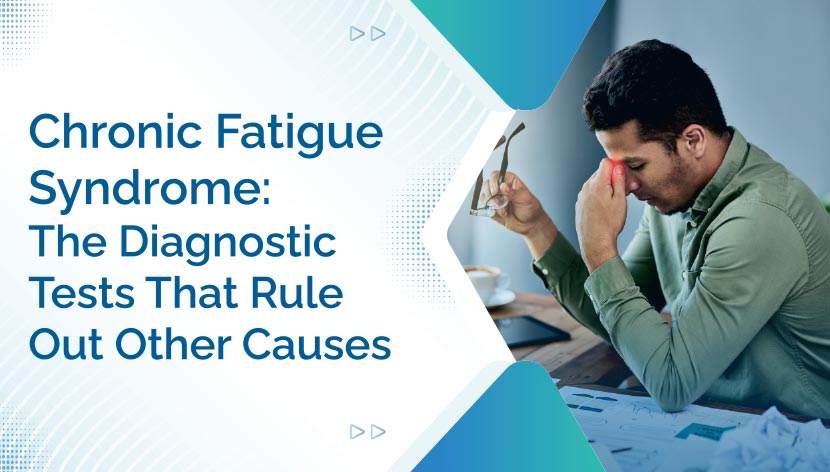
Chronic fatigue syndrome (chronic fatigue syndrome), also known as myalgic encephalomyelitis...
17-09-2026
Book lab tests, access reports instantly, and get seamless home sample collection with advanced technology.
Trusted by millions, Ampath Labs ensures accurate diagnostics, convenience, and care at your fingertips.




 Select Location



 Get 15% OFF on 1st order above ₹100 Use code:

































































.jpg)