
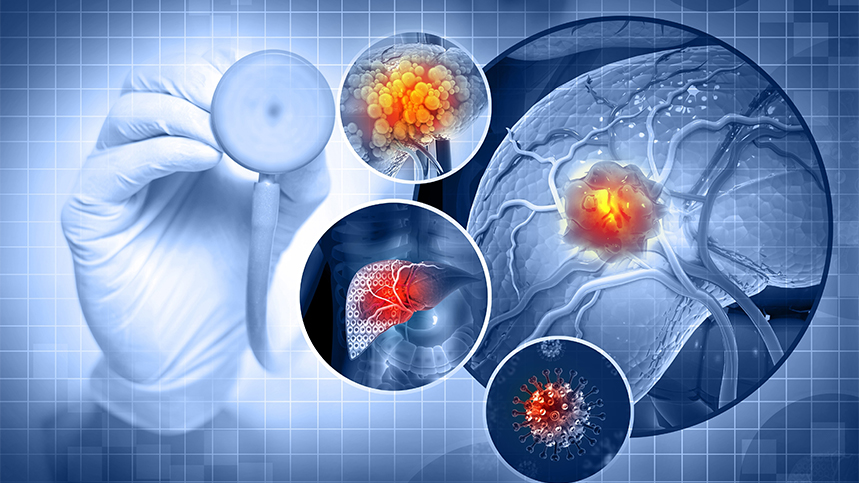


Hepatocellular carcinoma (HCC) is a type of liver cancer that usually affects individuals with preexisting liver disease. It is the sixth most common cancer worldwide and the third leading cause of cancer-related deaths. Early diagnosis and accurate staging play crucial roles in the management and treatment of HCC.
Screening and Diagnosis
Early detection of HCC is vital for successful treatment. People who are at risk for developing liver cancer are recommended to undergo routine screening, which may include liver function tests, ultrasounds, and alpha-fetoprotein (AFP) tests. If a suspicious mass or lesion is found, further testing is necessary to confirm the diagnosis. Imaging techniques such as CT scans and MRIs are commonly used to evaluate the size and location of the tumor.
Biopsy
A tissue biopsy is often done to confirm the diagnosis of HCC. A small sample of the liver tissue is extracted using a needle or during a laparoscopic surgery. The tissue is then examined under a microscope to determine whether it contains cancerous cells.
Staging
Staging is the process of determining the extent and spread of the tumor. It helps doctors determine the best treatment options for a patient. There are several staging systems used for HCC, but the Barcelona Clinic Liver Cancer (BCLC) staging system is the most commonly used. The BCLC system takes into account the size of the tumor, the number of tumors, the severity of liver cirrhosis, the presence of symptoms, and the overall performance status of the patient.
Treatment
The treatment options for HCC depend on the stage of the disease. Surgery is often the preferred option for patients with early-stage HCC. Liver transplant may also be an option for eligible patients. For those with advanced HCC, treatments such as chemotherapy, radiation therapy, and targeted drug therapy may be recommended. Palliative care can help manage symptoms and improve quality of life.
Prognosis and Monitoring
HCC prognosis varies depending on the stage of the disease. The 5-year survival rate for HCC ranges from 15% to 40%. Regular monitoring of the tumor is needed to evaluate treatment effectiveness and to detect any new or recurring tumors. Imaging tests and AFP tests are often used to assess the response to treatment and to monitor disease progression.
Conclusion
Hepatocellular carcinoma is a serious condition that requires prompt diagnosis and accurate staging. Regular screening in at-risk patients can help detect the disease at an early stage. Biopsy is necessary to confirm the diagnosis and staging helps determine the best course of treatment. Treatment options range from surgery to palliative care depending on the stage of the disease. Monitoring is necessary to ensure the effectiveness of treatment and to detect any new growths. Early detection and treatment can significantly improve the chances of survival and overall quality of life.

Food-related reactions are often lumped together under a single umbrella, but food...
17-09-2026

For decades, cholesterol testing has been the cornerstone of cardiovascular risk...
17-09-2026

Chronic fatigue syndrome (chronic fatigue syndrome), also known as myalgic encephalomyelitis...
17-09-2026
Book lab tests, access reports instantly, and get seamless home sample collection with advanced technology.
Trusted by millions, Ampath Labs ensures accurate diagnostics, convenience, and care at your fingertips.




 Select Location



 Get 15% OFF on 1st order above ₹100 Use code:



































































.jpg)