
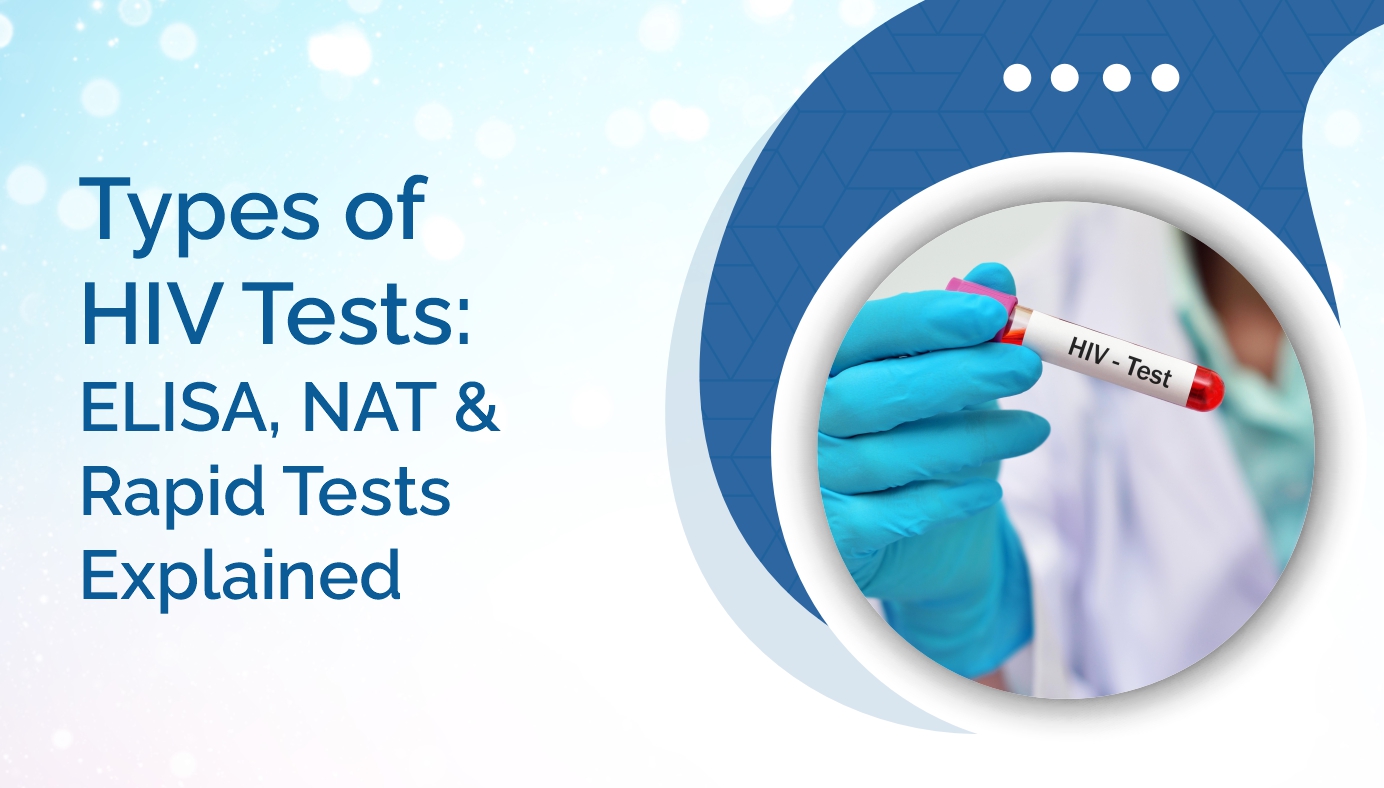


Early and accurate diagnosis is essential for effective management of Human Immunodeficiency Virus (HIV). Timely detection allows treatment to begin sooner, helping suppress the virus, protect the immune system, and reduce the risk of transmission. Understanding the different types of HIV tests available can help individuals make informed decisions about their health.
HIV tests work by detecting either antibodies produced by the immune system, antigens from the virus itself, or the virus’s genetic material. Each testing method has its own advantages, accuracy levels, and window periods.
Understanding the Window Period
The window period refers to the time between exposure to HIV and when a test can reliably detect the infection. During this period, a person may have HIV and be capable of transmitting it, yet still receive a negative test result.
The length of the window period depends on the type of test used. Tests that detect viral genetic material have the shortest window period, while antibody-based tests take longer because the body needs time to produce detectable antibodies.
Antibody Tests (Third-Generation Tests)
Antibody tests detect HIV antibodies produced by the immune system in response to infection. These tests do not detect the virus itself and therefore have a longer window period.
ELISA (Enzyme-Linked Immunosorbent Assay)
The ELISA test is a laboratory-based blood test commonly used for HIV screening. A blood sample is drawn from a vein and tested for HIV antibodies.
If antibodies are present, they bind to HIV antigens in the test system, producing a detectable color change. ELISA tests are highly accurate when performed after the window period.
The typical window period for ELISA testing ranges from 3 to 12 weeks after exposure. If the result is positive, a confirmatory test is required to rule out false-positive results.
Rapid Antibody Tests
Rapid HIV tests provide results within 20 to 30 minutes and can be performed using a finger-prick blood sample or oral fluid.
These tests are widely used in clinics, outreach programs, and home testing kits. While highly accurate after the window period, they may be less sensitive during early infection.
The window period for rapid antibody tests generally ranges from 3 to 12 weeks. Any positive rapid test result must be confirmed with a laboratory-based test.
Antigen/Antibody Combination Tests (Fourth-Generation Tests)
Fourth-generation HIV tests detect both HIV antibodies and the p24 antigen, a protein found in the virus that appears in the blood earlier than antibodies.
By identifying p24 antigen, these tests can detect HIV infection sooner than antibody-only tests. They are performed using blood samples in laboratory settings.
The window period for fourth-generation tests is approximately 2 to 6 weeks after exposure. These tests are now considered the preferred option for routine HIV screening due to their high accuracy and early detection capability.
Positive results still require confirmatory testing to establish a definitive diagnosis.
Nucleic Acid Tests (NAT)
Nucleic Acid Tests detect the genetic material (RNA) of HIV in the blood. These tests are the most sensitive and can identify infection very early.
NATs can detect HIV within 1 to 4 weeks after exposure. Because they are complex and costly, they are not used for routine screening.
They are typically recommended for individuals with recent high-risk exposure, symptoms of acute HIV infection, newborns of HIV-positive mothers, blood donation screening, and monitoring viral load in people receiving HIV treatment.
Choosing the Right HIV Test
The most appropriate HIV test depends on the timing of exposure and the reason for testing. For routine screening, fourth-generation antigen/antibody tests are usually recommended.
For very recent exposure or symptoms suggestive of early HIV infection, a NAT may be advised. Rapid tests offer convenience and fast results but should always be followed by confirmatory testing if positive.
A healthcare provider can help determine the most suitable testing option based on individual risk and circumstances.
Conclusion
HIV testing is a crucial step toward protecting personal health and preventing transmission. With modern testing methods, HIV can be detected early and managed effectively through treatment.
Regular testing, early diagnosis, and prompt treatment allow individuals living with HIV to lead long and healthy lives. If you believe you may have been exposed or wish to undergo routine screening, consult a healthcare professional for confidential and reliable testing services.

Food-related reactions are often lumped together under a single umbrella, but food...
17-09-2026

For decades, cholesterol testing has been the cornerstone of cardiovascular risk...
17-09-2026

Chronic fatigue syndrome (chronic fatigue syndrome), also known as myalgic encephalomyelitis...
17-09-2026
Book lab tests, access reports instantly, and get seamless home sample collection with advanced technology.
Trusted by millions, Ampath Labs ensures accurate diagnostics, convenience, and care at your fingertips.



 Select Location



 Get 15% OFF on 1st order above ₹100 Use code:



































































.jpg)