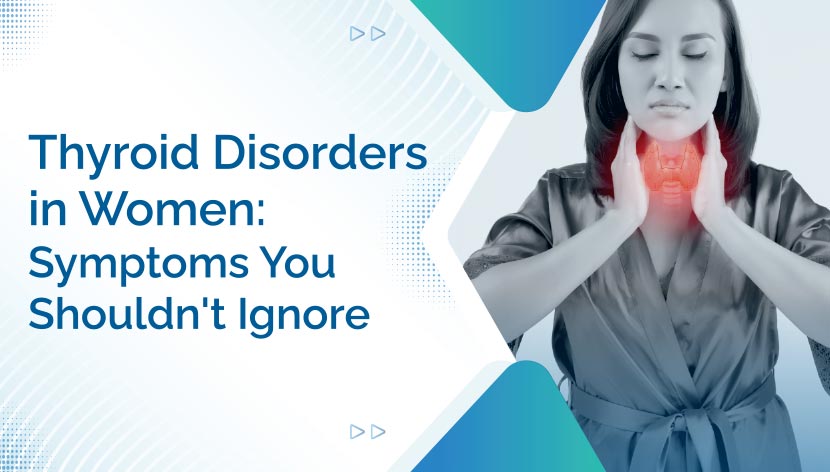


Thyroid disorders are among the most common hormonal conditions affecting women, occurring several times more frequently in women than in men. The thyroid gland, a small butterfly-shaped organ in the neck, regulates metabolism, energy levels, and even reproductive health. When it malfunctions, the effects can ripple across nearly every system in the body — yet the symptoms are often mistaken for stress, weight fluctuations, or normal aging.
Why Women Are More Prone to Thyroid Disorders
Several factors contribute to the higher prevalence of thyroid disease in women:
Types of Thyroid Disorders
Hypothyroidism
An underactive thyroid that doesn’t produce enough hormones, slowing down the body’s metabolic processes.
Hyperthyroidism
An overactive thyroid producing excess hormones, speeding up metabolism and bodily functions.
Hashimoto’s Thyroiditis
An autoimmune condition where the immune system attacks the thyroid gland, often leading to hypothyroidism over time.
Graves’ Disease
An autoimmune disorder that causes hyperthyroidism, sometimes accompanied by eye- related symptoms.
Symptoms of Hypothyroidism You Shouldn’t Ignore
Symptoms of Hyperthyroidism You Shouldn’t Ignore
Why These Symptoms Are Often Overlooked
Many thyroid symptoms — fatigue, weight changes, mood swings — are non-specific and can easily be attributed to stress, lifestyle, or other conditions. Women are also more likely to have these symptoms dismissed or normalized, delaying diagnosis. This makes proactive testing especially important when symptoms persist.
Key Tests for Diagnosing Thyroid Disorders
1. Thyroid-Stimulating Hormone (TSH)
The primary screening test. Elevated TSH usually indicates hypothyroidism, while low TSH suggests hyperthyroidism.
2. Free T3 and Free T4
These measure the actual circulating thyroid hormones and help confirm the type and severity of dysfunction.
3. Thyroid Peroxidase Antibodies (TPO-Ab)
Elevated levels indicate autoimmune thyroid conditions like Hashimoto’s thyroiditis.
4. Thyroglobulin Antibodies
Used alongside TPO antibodies to assess autoimmune involvement, particularly in Hashimoto’s disease.
5. Thyroid Ultrasound
Recommended if a lump, nodule, or goiter is detected during a physical examination.
When Should Women Get Tested?
Thyroid Health and Pregnancy
Untreated thyroid disorders during pregnancy can affect both maternal and fetal health, increasing risks of miscarriage, preterm birth, and developmental issues. This makes thyroid screening a standard part of prenatal care in many clinical guidelines.
Living with a Thyroid Disorder
Conclusion
Thyroid disorders can significantly affect a woman’s quality of life, yet they often go undiagnosed because symptoms mimic everyday stress or fatigue. Paying attention to persistent changes in energy, weight, mood, and menstrual patterns — and seeking appropriate testing — can lead to early diagnosis and effective management. If something feels off, don’t dismiss it as “just stress.” A simple thyroid panel could provide the answers you need.
Frequently Asked Questions
Q1. Can thyroid disorders be cured completely? Some conditions, like postpartum thyroiditis, may resolve on their own, while others such as Hashimoto’s or Graves’ disease typically require long-term management rather than a complete cure.
Q2. How often should thyroid levels be tested once diagnosed? Typically every 6–12 weeks after starting or adjusting treatment, then annually once levels stabilise, though your doctor may recommend a different schedule.
Q3. Can thyroid problems affect fertility? Yes, both hypothyroidism and hyperthyroidism can disrupt ovulation and menstrual cycles, potentially affecting fertility.
Q4. Is thyroid testing necessary if I have no symptoms? Women with risk factors such as family history, autoimmune conditions, or pregnancy planning may still benefit from screening even without obvious symptoms.

Food-related reactions are often lumped together under a single umbrella, but food...
17-09-2026

For decades, cholesterol testing has been the cornerstone of cardiovascular risk...
17-09-2026
Chronic fatigue syndrome (chronic fatigue syndrome), also known as myalgic encephalomyelitis...
17-09-2026
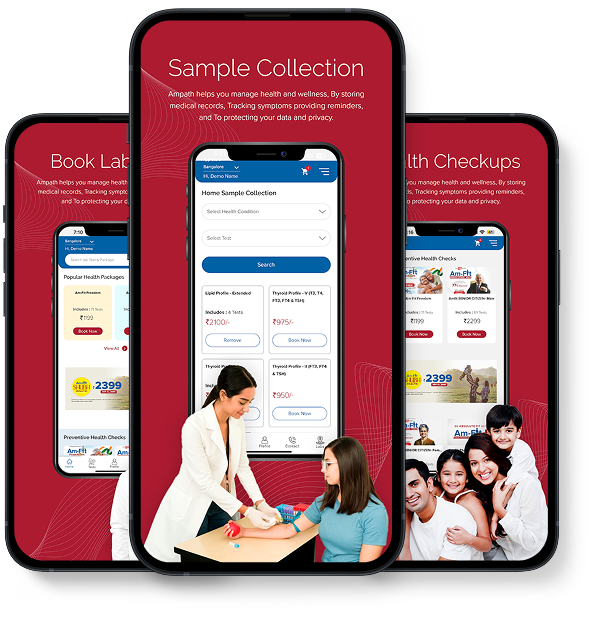
Book lab tests, access reports instantly, and get seamless home sample collection with advanced technology.
Trusted by millions, Ampath Labs ensures accurate diagnostics, convenience, and care at your fingertips.



 Select Location



 Get 15% OFF on 1st order above ₹100 Use code:



































































.jpg)