

Your liver is one of the most hardworking organs in the body, responsible for hundreds of essential functions such as detoxification, metabolism, and digestion. When excess fat accumulates in the liver, it can lead to a condition known as fatty liver disease, which is becoming increasingly common worldwide.
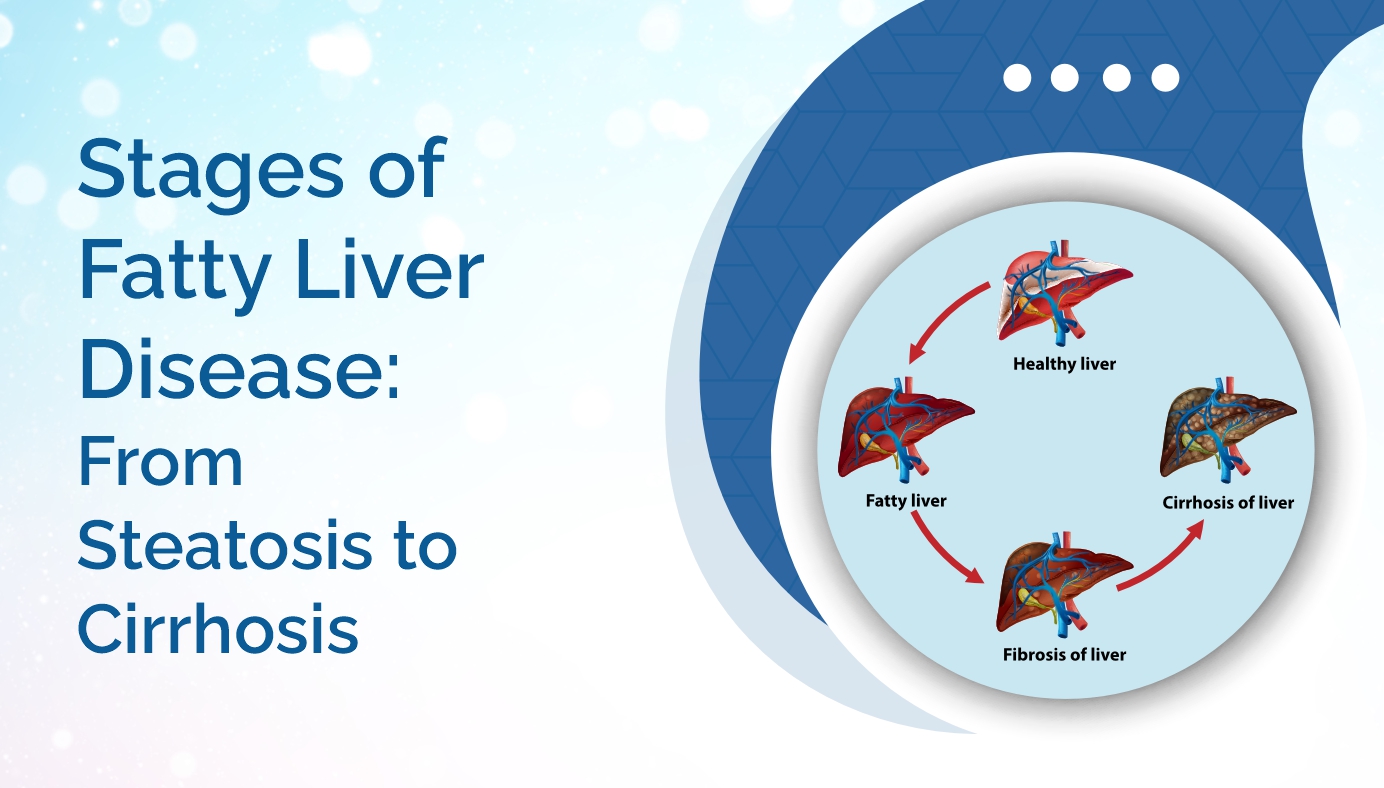
Fatty liver disease is not a single condition but a progressive process that develops through distinct stages. If left untreated, it can advance from simple fat accumulation to severe liver damage. Fortunately, early stages are often reversible with timely lifestyle changes.
What Is Fatty Liver Disease?
Fatty liver disease, medically referred to as hepatic steatosis, occurs when excess fat builds up inside liver cells. While a small amount of fat in the liver is normal, fat exceeding 5% to 10% of the liver’s total weight is considered abnormal.
There are two main types of fatty liver disease.
Non-Alcoholic Fatty Liver Disease (NAFLD): This is the most common form and is not related to heavy alcohol consumption. It is closely associated with obesity, type 2 diabetes, insulin resistance, and high cholesterol.
Alcoholic Fatty Liver Disease (AFLD): This type results from excessive and prolonged alcohol intake. Alcohol metabolism interferes with fat processing in the liver, leading to fat accumulation.
Despite different causes, both forms progress through similar stages if the underlying triggers are not addressed.
Stage 1: Simple Steatosis (Fatty Liver)
This is the earliest and most common stage of fatty liver disease. Excess fat accumulates in liver cells, but there is little to no inflammation or liver cell damage.
Key Characteristics:
Fat droplets accumulate within liver cells
No significant inflammation or scarring
Usually no noticeable symptoms
Most individuals are unaware they have fatty liver at this stage, and it is often discovered incidentally during routine blood tests or imaging studies.
Reversibility:
Simple steatosis is considered reversible. Weight loss, dietary improvements, increased physical activity, and reducing or stopping alcohol intake can significantly reduce liver fat and restore normal liver function.
Stage 2: Steatohepatitis (NASH or ASH)
If fat accumulation continues, fatty liver disease may progress to steatohepatitis, where inflammation develops in addition to fat buildup.
Non-Alcoholic Steatohepatitis (NASH): Inflammatory stage of NAFLD
Alcoholic Steatohepatitis (ASH): Inflammatory stage of AFLD
Key Characteristics:
Persistent liver inflammation
Damage to liver cells
Possible symptoms such as fatigue, weakness, and discomfort in the upper right abdomen
Elevated liver enzymes such as ALT and AST on blood tests
Reversibility:
Steatohepatitis can still be managed and sometimes reversed with strict lifestyle changes and medical supervision. Early intervention is crucial to prevent further progression.
Stage 3: Fibrosis
Chronic inflammation leads the liver to form scar tissue in an attempt to repair damage. This stage is known as fibrosis.
Key Characteristics:
Formation of fibrous scar tissue
Reduced liver flexibility and function
Restricted blood flow through the liver
The progression of fibrosis varies. Some individuals remain stable for years, while others experience rapid worsening.
Reversibility:
Early fibrosis may be partially reversible if the underlying cause is controlled. As scarring increases, reversal becomes difficult, and treatment focuses on preventing progression.
Stage 4: Cirrhosis
Cirrhosis is the most advanced stage of fatty liver disease. Extensive scarring permanently damages liver structure and function.
Key Characteristics:
Severe and widespread scarring
Hardened and shrunken liver
Symptoms such as jaundice, fluid buildup in the abdomen and legs, easy bruising, confusion, and severe fatigue
Complications:
High risk of liver failure
Increased likelihood of liver cancer
Life-threatening bleeding and infections
Reversibility:
Cirrhosis is generally irreversible. Treatment focuses on managing symptoms, preventing complications, and slowing further damage. In advanced cases, liver transplantation may be required.
Conclusion
Fatty liver disease is a progressive condition that can silently advance from simple fat buildup to irreversible liver damage. Early detection and lifestyle changes play a crucial role in preventing progression.
If you have risk factors such as obesity, diabetes, or regular alcohol consumption, regular liver health monitoring is essential. Timely intervention can protect your liver, improve overall health, and prevent serious complications.
Food-related reactions are often lumped together under a single umbrella, but food...
17-09-2026
For decades, cholesterol testing has been the cornerstone of cardiovascular risk...
17-09-2026
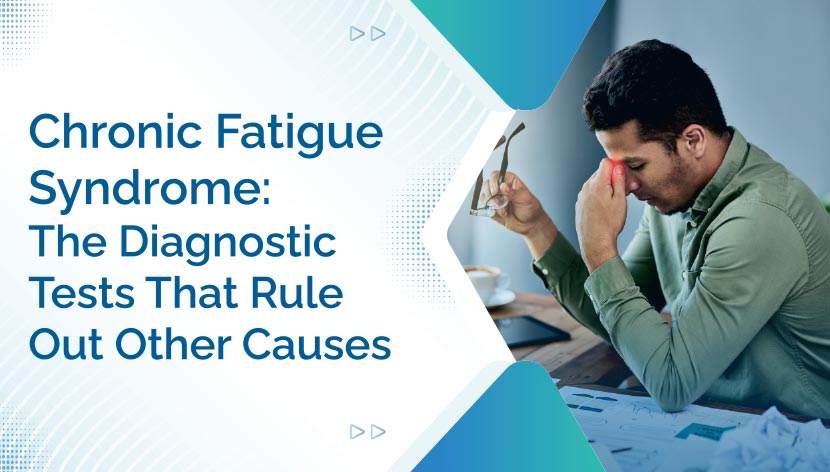
Chronic fatigue syndrome (chronic fatigue syndrome), also known as myalgic encephalomyelitis...
17-09-2026
Book lab tests, access reports instantly, and get seamless home sample collection with advanced technology.
Trusted by millions, Ampath Labs ensures accurate diagnostics, convenience, and care at your fingertips.




 Select Location



 Get 15% OFF on 1st order above ₹100 Use code:






























































.jpg)