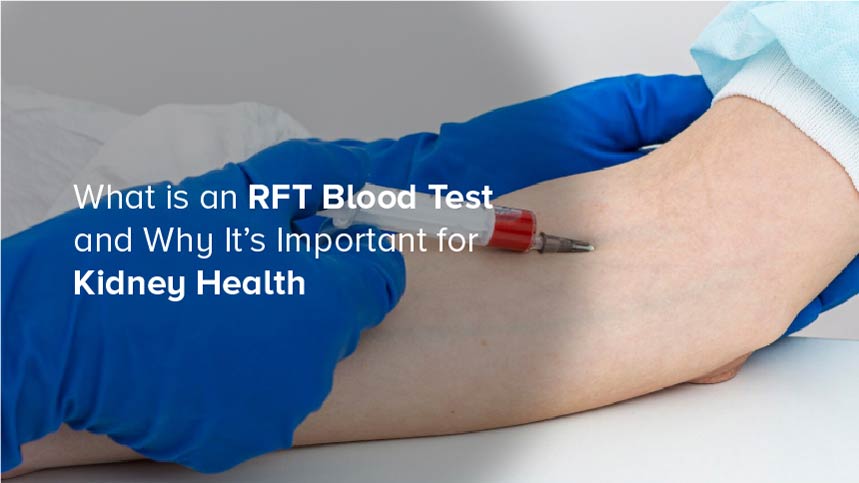


Your kidneys work continuously to filter waste, balance body fluids, and regulate minerals. When kidney function starts to decline, the effects can impact your entire body. A Renal Function Test (RFT) helps detect kidney issues early and monitor ongoing kidney health.
What Is an RFT Blood Test?
An RFT (Renal Function Test) is a group of blood tests that assess how well your kidneys are functioning. These tests measure specific markers that show how effectively your kidneys filter waste from the bloodstream.
Key components of an RFT include:
Together, the

Food-related reactions are often lumped together under a single umbrella, but food...
17-09-2026

For decades, cholesterol testing has been the cornerstone of cardiovascular risk...
17-09-2026

Chronic fatigue syndrome (chronic fatigue syndrome), also known as myalgic encephalomyelitis...
17-09-2026
Book lab tests, access reports instantly, and get seamless home sample collection with advanced technology.
Trusted by millions, Ampath Labs ensures accurate diagnostics, convenience, and care at your fingertips.




 Select Location



 Get 15% OFF on 1st order above ₹100 Use code:































































.jpg)