
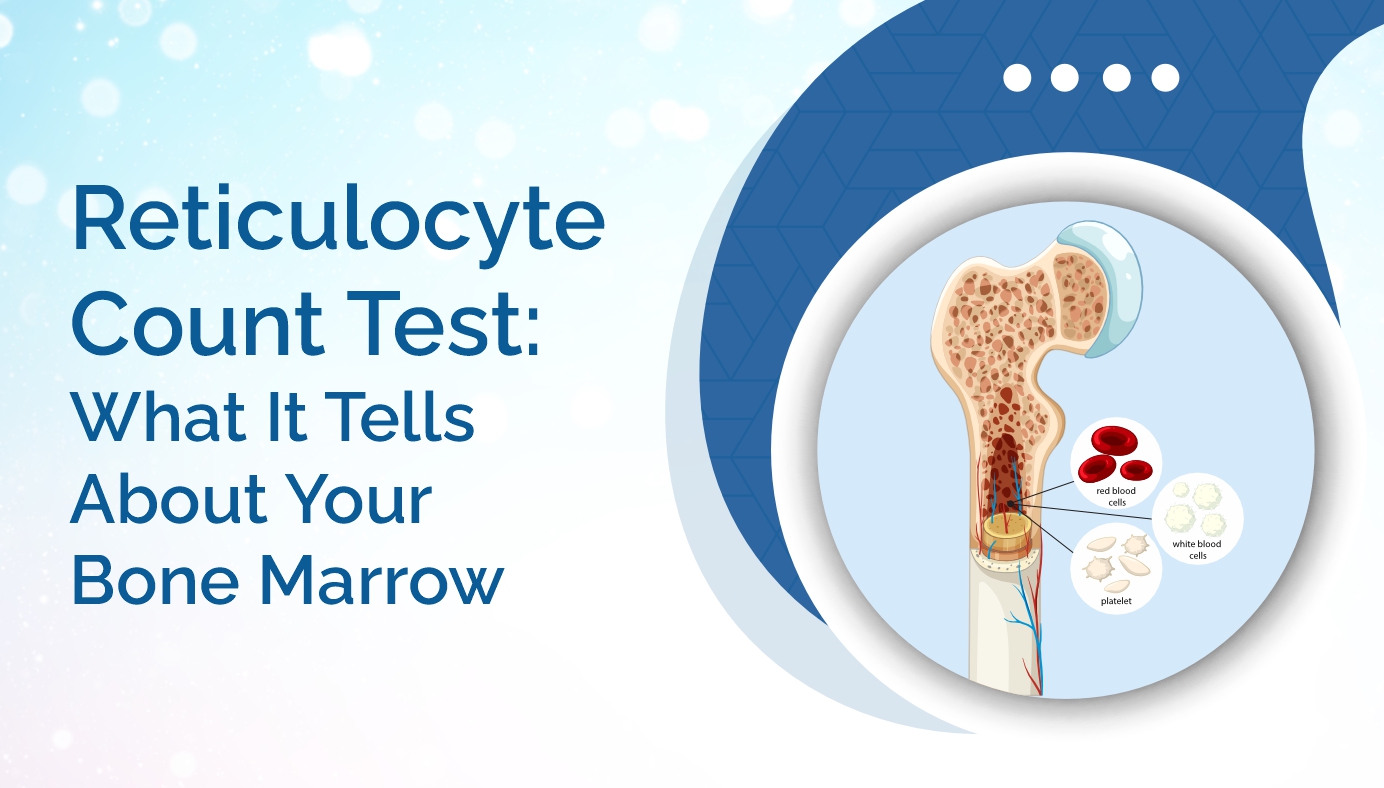


Your blood contains a wealth of information about your overall health. While standard blood tests like the Complete Blood Count (CBC) provide a general overview, specialized tests offer deeper insights into specific bodily functions. One such diagnostic tool is the reticulocyte count test. This test specifically evaluates the bone marrow's ability to produce healthy red blood cells.
What is Reticulocytes
Reticulocytes are immature red blood cells. Red blood cells (erythrocytes) are produced in the bone marrow. Before they fully mature and are released into the bloodstream to carry oxygen, they exist as reticulocytes. These young cells still contain genetic material (RNA), which gives them a reticular (mesh-like) appearance under a microscope.
Typically, a reticulocyte matures into a fully functional red blood cell within two days after being released from the bone marrow. In a healthy individual, reticulocytes make up a very small percentage of the total red blood cell count—usually between 0.5% and 2.5% in adults. This percentage indicates that the bone marrow is replacing aging or dying red blood cells at a stable, healthy rate.
Why is a Reticulocyte Count Performed?
Physicians order a reticulocyte count to assess bone marrow function. This test is rarely performed in isolation; it is often requested alongside a Complete Blood Count (CBC), hemoglobin, and hematocrit tests to provide a comprehensive picture of hematological health.
The primary reasons for conducting this test include:
1. Diagnosing the Type of Anemia
Anemia is a condition characterized by a lack of healthy red blood cells to carry adequate oxygen to the body's tissues. The reticulocyte count helps distinguish between anemia caused by:
2. Monitoring Response to Treatment
For patients undergoing treatment for anemia—such as iron supplementation, vitamin B12 therapy, or chemotherapy—this test determines if the bone marrow is responding appropriately. A rising reticulocyte count typically indicates that the treatment is stimulating new blood cell production.
3. Evaluating Bone Marrow Function Following Chemotherapy or Transplant
Chemotherapy and radiation can suppress bone marrow function. Following these treatments, or after a bone marrow transplant, a reticulocyte count is used to verify that the marrow is recovering and beginning to produce blood cells again.
The Procedure: What to Expect
The reticulocyte count is a standard blood test involving a straightforward procedure. No specific preparation, such as fasting, is usually required, though it is always advisable to follow the specific instructions provided by your healthcare provider.
A healthcare professional will draw a blood sample, typically from a vein in the arm. The site is cleaned with an antiseptic, and a tourniquet is applied to make the vein visible. A needle is inserted to collect the blood into a vial. The process takes only a few minutes and involves minimal discomfort.
Interpreting the Results
The results of a reticulocyte count are interpreted in the context of the patient's total red blood cell count and hemoglobin levels. What is considered "normal" can vary slightly between laboratories, but general reference ranges are:
High Reticulocyte Count (Reticulocytosis)
A higher-than-normal percentage indicates that the bone marrow is producing red blood cells at an accelerated rate. This is often a physiological response to:
Low Reticulocyte Count (Reticulocytopenia)
A lower-than-normal percentage suggests that the bone marrow is failing to produce an adequate number of red blood cells. This is clinically significant, especially if the patient is anemic. Causes may include:
Factors Affecting Test Results
Several factors can influence the accuracy or interpretation of the reticulocyte count. It is crucial to disclose your full medical history and current medications to your healthcare provider.
Next Steps After Diagnosis
Receiving the results of a reticulocyte count is a significant step in diagnosing underlying health issues. However, it is rarely the final step. Based on the findings, your physician may recommend further diagnostic testing to pinpoint the exact cause of the abnormal count.
If the count is high, investigations into sources of bleeding or causes of hemolysis will be prioritized. If the count is low, the focus will shift to nutritional assessments (iron, B12 studies) or bone marrow biopsies to examine the marrow's cellular structure directly.
At AMPATH Labs, we utilize advanced automated technology to ensure precise and reliable reticulocyte counts. Our certified professionals are dedicated to providing accurate data that allows your physician to make informed decisions regarding your treatment plan.
Conclusion
The reticulocyte count is a powerful indicator of bone marrow health and the body's ability to oxygenate its tissues. Whether used to diagnose the specific nature of anemia or to monitor recovery from serious medical treatments, this test provides critical data for effective patient care.
Regular health screenings and prompt investigation of symptoms such as fatigue, weakness, or pale skin are essential. By understanding the specific metrics of your blood health, you and your healthcare provider can take proactive steps toward maintaining optimal well-being.

Food-related reactions are often lumped together under a single umbrella, but food...
17-09-2026

For decades, cholesterol testing has been the cornerstone of cardiovascular risk...
17-09-2026

Chronic fatigue syndrome (chronic fatigue syndrome), also known as myalgic encephalomyelitis...
17-09-2026
Book lab tests, access reports instantly, and get seamless home sample collection with advanced technology.
Trusted by millions, Ampath Labs ensures accurate diagnostics, convenience, and care at your fingertips.




 Select Location



 Get 15% OFF on 1st order above ₹100 Use code:


































































.jpg)