
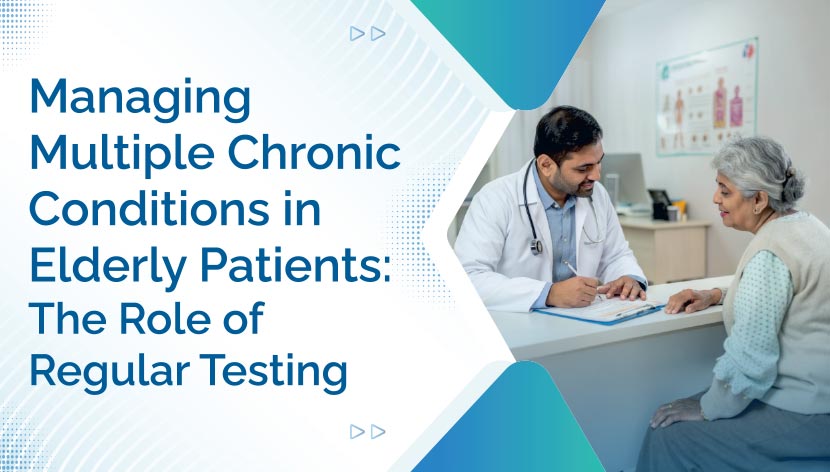


As people age, it becomes increasingly common to manage more than one chronic health condition simultaneously — a situation known as multimorbidity. Conditions like diabetes, hypertension, arthritis, and heart disease often coexist in elderly patients, making healthcare management more complex. Regular, coordinated testing plays a vital role in ensuring these conditions are managed effectively without one treatment inadvertently worsening another.
Understanding Multimorbidity in Elderly Patients
Multimorbidity refers to the presence of two or more chronic conditions in the same individual. Common combinations in elderly patients include:
Managing these conditions together requires careful monitoring, as they can influence each other and complicate treatment decisions.
Why Regular Testing Is Essential
1. Tracking Disease Progression
Regular testing helps determine whether existing conditions are stable, improving, or worsening, allowing for timely treatment adjustments.
2. Monitoring Medication Effects
Many elderly patients take multiple medications (polypharmacy), and regular blood tests help monitor potential side effects, such as kidney or liver strain.
3. Detecting Drug Interactions
Certain lab markers can reveal early signs of adverse drug interactions before they cause significant harm.
4. Preventing Complications
Regular monitoring can catch early signs of complications, such as kidney damage from long- standing diabetes or hypertension.
5. Personalising Treatment Plans
Test results help doctors fine-tune medication dosages and treatment approaches based on how the body responds.
Key Tests for Managing Multiple Chronic Conditions
1. HbA1c and Fasting Blood Sugar
Essential for monitoring diabetes control over time.
2. Kidney Function Tests (Creatinine, eGFR, BUN)
Important for patients with diabetes, hypertension, or those on medications that affect kidney function.
3. Liver Function Tests (LFT)
Monitors for medication-related liver strain, particularly relevant for patients on multiple long-term medications.
4. Lipid Profile
Tracks cardiovascular risk, particularly important for patients with diabetes or existing heart disease.
5. Electrolyte Panel (Sodium, Potassium, Chloride)
Helps monitor for imbalances that can occur with certain medications, especially diuretics used for hypertension or heart failure.
6. Complete Blood Count (CBC)
Screens for anemia, which is common in chronic kidney disease and can worsen fatigue and cardiovascular strain.
7. Thyroid Function Tests
Thyroid disorders can complicate the management of heart disease and metabolic conditions.
8. Vitamin D and B12 Levels
Deficiencies are common in elderly patients and can contribute to fatigue, bone weakness, and cognitive changes.
9. Inflammatory Markers (CRP, ESR)
Can help assess disease activity in conditions like rheumatoid arthritis or monitor for underlying infection or inflammation.
10. Blood Pressure Monitoring
Regular monitoring, sometimes including home blood pressure tracking, helps ensure hypertension remains well-controlled.
Challenges in Managing Multiple Conditions
Best Practices for Coordinated Care
The Role of Family and Caregivers
Family members and caregivers play a crucial role in supporting elderly patients with multiple chronic conditions by:
Conclusion
Managing multiple chronic conditions in elderly patients requires a thoughtful, coordinated approach, with regular testing serving as a cornerstone of effective care. By tracking key health markers consistently, healthcare providers can make informed decisions that balance the needs of multiple conditions while minimising complications. Families and caregivers play an equally important role in supporting this process, helping ensure elderly loved ones receive the comprehensive care they need.
Frequently Asked Questions
Q1. How often should elderly patients with multiple chronic conditions get tested? This varies based on the specific conditions and medications involved, but many patients benefit from testing every 3–6 months, with some markers checked more frequently as advised by their doctor.
Q2. Can too much testing be harmful for elderly patients? While testing itself is generally low-risk, unnecessary or overly frequent testing can add stress and cost without clear benefit, so tests should be tailored to individual needs rather than done routinely without reason.
Q3. What is the biggest risk of managing multiple chronic conditions without regular testing? Untreated or poorly managed conditions can worsen silently and lead to complications like kidney failure, heart attacks, or stroke, which regular testing helps to catch early.
Q4. How can families help ensure elderly relatives stay on top of their testing schedule? Keeping a shared calendar, accompanying them to appointments, and maintaining open communication with healthcare providers can all help ensure consistent follow-through.

Food-related reactions are often lumped together under a single umbrella, but food...
17-09-2026

For decades, cholesterol testing has been the cornerstone of cardiovascular risk...
17-09-2026
Chronic fatigue syndrome (chronic fatigue syndrome), also known as myalgic encephalomyelitis...
17-09-2026
Book lab tests, access reports instantly, and get seamless home sample collection with advanced technology.
Trusted by millions, Ampath Labs ensures accurate diagnostics, convenience, and care at your fingertips.




 Select Location



 Get 15% OFF on 1st order above ₹100 Use code:



































































.jpg)