
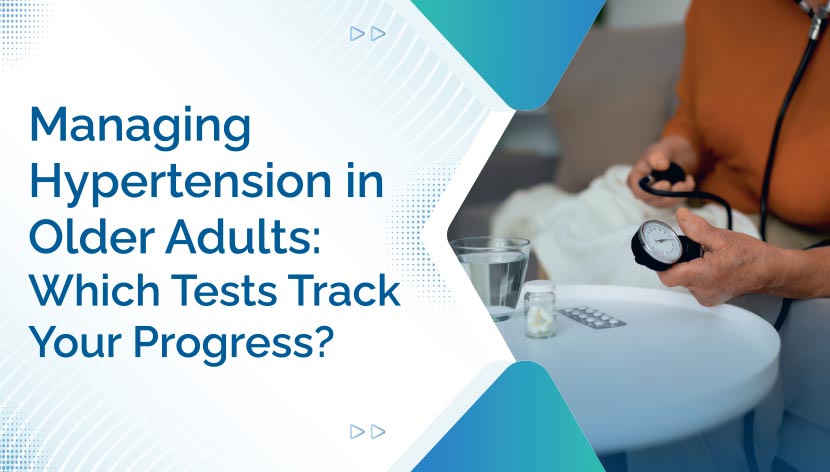


Hypertension, or high blood pressure, is one of the most common chronic conditions among older adults, significantly increasing the risk of heart disease, stroke, and kidney damage if left unmanaged. While blood pressure readings are the most obvious marker of progress, several other tests play an important role in monitoring how hypertension affects the body over time and how well treatment works.
Understanding Hypertension in Older Adults
Blood pressure naturally tends to rise with age due to changes in blood vessel elasticity and other physiological factors. Hypertension is generally defined as a consistent blood pressure reading of 130/80 mmHg or higher, though specific targets may vary based on individual health conditions and doctor recommendations.
Why Regular Testing Matters Beyond Blood Pressure Readings
Blood pressure numbers alone don’t tell the whole story. Hypertension can silently affect organs like the heart, kidneys, and blood vessels, making additional testing essential for:
Key Tests to Track Hypertension Progress
1. Home and Ambulatory Blood Pressure Monitoring
Regular home monitoring provides a more complete picture than occasional clinic readings, helping identify patterns like white-coat hypertension or masked hypertension.
2. Kidney Function Tests (Creatinine, eGFR, BUN)
Hypertension is a leading cause of chronic kidney disease. Regular kidney function testing helps detect early signs of kidney strain or damage.
3. Urine Albumin-to-Creatinine Ratio (UACR)
This test detects small amounts of protein in the urine, an early indicator of kidney damage related to hypertension.
4. Electrolyte Panel (Sodium, Potassium)
Many blood pressure medications, particularly diuretics, can affect electrolyte balance, making regular monitoring important.
5. Lipid Profile
Since hypertension and high cholesterol often coexist and compound cardiovascular risk, tracking lipid levels helps guide comprehensive heart health management.
6. Fasting Blood Sugar and HbA1c
Diabetes and hypertension frequently occur together, and each can worsen the other’s complications, making blood sugar monitoring an important part of hypertension management.
7. Electrocardiogram (ECG)
Helps detect signs of heart strain, enlargement, or rhythm abnormalities that can result from long-standing high blood pressure.
8. Echocardiogram
Provides a detailed image of heart structure and function, useful for assessing whether hypertension has caused changes like left ventricular hypertrophy (thickening of the heart muscle).
9. Eye Examination (Fundoscopy)
Hypertension can damage the small blood vessels in the eyes, and an eye exam can reveal early signs of this damage.
10. Complete Blood Count (CBC)
While not directly related to blood pressure, this helps assess overall health and can reveal conditions that may complicate hypertension management.
Recommended Testing Frequency
Signs That Require Additional Testing or Urgent Care
Lifestyle Factors That Support Blood Pressure Management
The Role of Medication Monitoring
Many older adults managing hypertension take one or more medications, which may include diuretics, ACE inhibitors, calcium channel blockers, or beta-blockers. Regular testing helps ensure these medications are:
Conclusion
Managing hypertension in older adults goes beyond simply checking blood pressure numbers — it requires a comprehensive approach that monitors the heart, kidneys, and overall metabolic health. Regular testing not only tracks how well treatment is working but also helps catch potential complications early, allowing for timely adjustments to care. Working closely with your doctor and staying consistent with recommended testing can go a long way in protecting long-term health.
Frequently Asked Questions
Q1. How often should older adults check their blood pressure at home? This varies based on individual circumstances, but many doctors recommend daily or several-times-weekly monitoring, especially when starting or adjusting treatment.
Q2. Can hypertension cause kidney damage even if blood pressure readings seem controlled? Yes, which is why additional tests like kidney function and urine albumin are important — they can reveal early damage even when blood pressure numbers look reasonable.
Q3. Is it normal for blood pressure medication doses to change over time? Yes, dosages are often adjusted based on ongoing monitoring, changes in health status, or side effects, making regular follow-up testing important.
Q4. Can lifestyle changes reduce the need for blood pressure medication? In some cases, particularly with mild hypertension, lifestyle changes like weight loss, reduced sodium intake, and regular exercise can meaningfully improve blood pressure control, though this should be discussed with a doctor before adjusting medication.

Food-related reactions are often lumped together under a single umbrella, but food...
17-09-2026

For decades, cholesterol testing has been the cornerstone of cardiovascular risk...
17-09-2026
Chronic fatigue syndrome (chronic fatigue syndrome), also known as myalgic encephalomyelitis...
17-09-2026
Book lab tests, access reports instantly, and get seamless home sample collection with advanced technology.
Trusted by millions, Ampath Labs ensures accurate diagnostics, convenience, and care at your fingertips.




 Select Location



 Get 15% OFF on 1st order above ₹100 Use code:



































































.jpg)