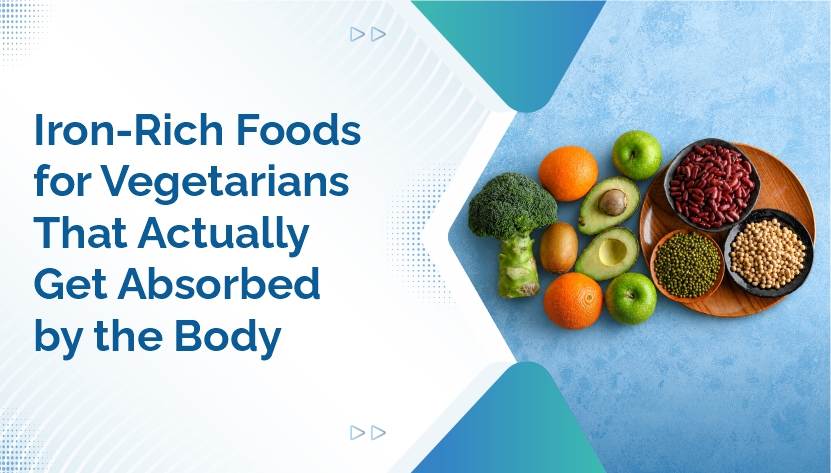


Iron is one of the most important minerals your body needs to function properly. It plays a crucial role in producing hemoglobin, the protein in red blood cells responsible for carrying oxygen throughout the body. Despite its importance, iron deficiency remains one of the most common nutritional deficiencies worldwide, especially among vegetarians and vegans.
Many people assume that simply eating iron-rich foods is enough. However, the real challenge is absorption. Not all dietary iron is absorbed equally by the body. While meat contains highly absorbable heme iron, plant-based foods provide non-heme iron, which is more difficult for the body to absorb. Fortunately, with the right food choices and eating habits, vegetarians can maintain healthy iron levels without consuming meat.
Why Iron Is Essential for Your Health
Iron supports numerous bodily functions, including:
When iron levels become low, the body cannot produce enough healthy red blood cells, leading to iron deficiency anemia.
Common symptoms include:
Women of reproductive age, pregnant women, adolescents, athletes, and vegetarians are particularly vulnerable to low iron levels.
Understanding the Two Types of Dietary Iron
Heme Iron
Heme iron is found in animal-based foods such as:
The body absorbs approximately 15–35% of heme iron.
Non-Heme Iron
Non-heme iron is found in:
The absorption rate is generally lower, around 2–20%, depending on other foods eaten alongside it.
This doesn't mean vegetarians cannot meet their iron needs—it simply means absorption strategies become extremely important.
Daily Iron Requirements
Recommended daily iron intake varies by age and gender.
| Group | Recommended Intake |
|---|---|
| Adult Men | 8 mg/day |
| Women (19–50 years) | 18 mg/day |
| Women (51+ years) | 8 mg/day |
| Pregnant Women | 27 mg/day |
| Vegetarians | Up to 1.8 times higher due to lower absorption |
Because plant-based iron is less bioavailable, many nutrition experts suggest vegetarians pay closer attention to their intake.
Top Iron-Rich Vegetarian Foods That Are Well Absorbed
1. Lentils
Lentils are among the richest plant-based sources of iron.
Iron Content: Approximately 6.6 mg per cooked cup
Benefits include:
How to Improve Absorption
Pair lentils with:
Vitamin C significantly enhances iron absorption.
Examples:
2. Chickpeas
Chickpeas are versatile and nutrient-dense.
Iron Content: Around 4.7 mg per cooked cup
Additional benefits:
Best Ways to Eat
The combination of vitamin C-rich ingredients boosts iron uptake.
3. Soybeans and Soy Products
Soy products are excellent vegetarian iron sources.
Iron Content
Additional advantages:
Absorption Tip
Fermented soy products like tempeh often provide better nutrient availability than unfermented options.
4. Pumpkin Seeds
Pumpkin seeds are among the most concentrated plant-based iron sources.
Iron Content: Approximately 2.5–4 mg per ounce
They also contain:
Easy Ways to Include Them
5. Sesame Seeds
Sesame seeds are commonly used in vegetarian diets and contain substantial iron.
Iron Content: About 4 mg per 2 tablespoons
Best Options
Combining sesame seeds with lemon juice improves iron absorption.
6. Spinach and Dark Leafy Greens
Spinach is often associated with iron—and for good reason.
Iron Content: Approximately 6 mg per cooked cup
Other iron-rich greens include:
The Catch
Spinach contains oxalates, compounds that can reduce iron absorption.
How to Improve Absorption
Cook spinach and combine it with:
Cooking reduces oxalate levels and improves nutrient availability.
7. Amaranth
Amaranth is an ancient grain packed with nutrients.
Iron Content: Around 5 mg per cooked cup
Benefits include:
Amaranth porridge or grain bowls can be excellent additions to vegetarian diets.
8. Quinoa
Quinoa offers a moderate amount of iron while providing complete protein.
Iron Content: Approximately 2.8 mg per cooked cup
Benefits:
Pair quinoa with vegetables rich in vitamin C for better absorption.
9. Kidney Beans
Kidney beans are another excellent vegetarian iron source.
Iron Content: About 5 mg per cooked cup
Benefits:
Try:
10. Dried Fruits
Certain dried fruits contribute meaningful amounts of iron.
Examples include:
Benefits
Pair with vitamin C-rich fruits for improved absorption.
12. Fortified Cereals
Many breakfast cereals are fortified with iron.
Some provide:
However, check labels carefully for:
Pairing fortified cereals with strawberries or orange slices can improve absorption.
Vitamin C: The Secret to Better Iron Absorption
Vitamin C can increase non-heme iron absorption by up to several times.
Excellent sources include:
Smart Pairings
| Iron Source | Vitamin C Partner |
|---|---|
| Lentils | Lemon juice |
| Spinach | Tomatoes |
| Beans | Bell peppers |
| Tofu | Broccoli |
| Pumpkin seeds | Orange slices |
These combinations significantly enhance iron uptake.
Foods That Block Iron Absorption
Many healthy foods can unintentionally reduce iron absorption when consumed at the same meal.
Tea and Coffee
Tea and coffee contain tannins and polyphenols that can inhibit iron absorption.
Recommendation
Avoid consuming tea or coffee:
Calcium-Rich Foods
Calcium competes with iron absorption.
Examples:
Try separating high-calcium foods and iron-rich meals when possible.
Phytates
Phytates naturally occur in:
They can reduce iron absorption.
Solution
Traditional preparation methods help:
These techniques lower phytate levels and improve iron availability.
Cooking Methods That Improve Iron Absorption
Soaking Legumes
Soaking beans and lentils overnight:
Sprouting
Sprouted foods often have:
Examples include:
Fermentation
Fermented foods improve mineral accessibility.
Examples:
Cooking in Cast Iron Cookware
Cooking acidic foods in cast iron pans can increase the iron content of meals.
Examples:
This simple technique may contribute additional dietary iron.
Sample Iron-Rich Vegetarian Day
Breakfast
Mid-Morning Snack
Lunch
Evening Snack
Dinner
Dessert
This meal plan combines iron-rich foods with vitamin C sources throughout the day.
When Should You Get Your Iron Levels Tested?
If you experience symptoms such as fatigue, dizziness, hair loss, poor exercise tolerance, or persistent weakness, your healthcare provider may recommend blood tests including:
These tests provide a comprehensive assessment of iron status and help identify deficiency before severe anemia develops.
Conclusion
Following a vegetarian diet does not automatically mean you will become iron deficient. The key lies not only in consuming iron-rich foods but also in maximizing how much iron your body absorbs. Lentils, chickpeas, soy products, leafy greens, seeds, beans, quinoa, and fortified foods can all contribute significantly to your daily iron intake when paired with vitamin C-rich foods.
Equally important is avoiding common absorption inhibitors such as tea, coffee, and excessive calcium around iron-rich meals. Simple techniques like soaking, sprouting, fermenting, and cooking in cast iron cookware can further enhance iron availability.
Food-related reactions are often lumped together under a single umbrella, but food...
17-09-2026
For decades, cholesterol testing has been the cornerstone of cardiovascular risk...
17-09-2026
Chronic fatigue syndrome (chronic fatigue syndrome), also known as myalgic encephalomyelitis...
17-09-2026
Book lab tests, access reports instantly, and get seamless home sample collection with advanced technology.
Trusted by millions, Ampath Labs ensures accurate diagnostics, convenience, and care at your fingertips.



 Select Location


 Get 15% OFF on 1st order above ₹100 Use code:


























































.jpg)