



Vaccinations are essential for preventing infectious diseases, but understanding your existing immunity can make vaccination even more effective. Blood tests help assess whether you already have antibodies against certain infections, ensuring that your vaccination plan is accurate, safe, and personalized.
What Is Immunity and How Is It Measured?
Immunity refers to the body's ability to resist infection through the action of antibodies or specialized immune cells. Immunity can be:
In both cases, the immune system creates antibodies that recognize and neutralize pathogens. Blood tests measure these antibodies, revealing whether a person is already protected or still vulnerable. This process is known as serology testing.
Key Blood Tests for Pre-Vaccination Screening
Antibody tests or titer tests help evaluate immunity levels. A high titer indicates strong immunity; a low or negative titer suggests susceptibility.
Why Assess Immunity Before Vaccination?
Confirming Immune Status
Ensuring Vaccine Efficacy
Meeting Occupational and Travel Requirements
Managing Immunocompromised Individuals
What to Do with Your Test Results
Conclusion
Blood tests play a crucial role in optimizing vaccination strategies. By evaluating immunity levels beforehand, healthcare providers can ensure that vaccinations are necessary, effective, and tailored to each individual. This approach promotes better personal protection and contributes to stronger community-wide immunity.

Food-related reactions are often lumped together under a single umbrella, but food...
17-09-2026

For decades, cholesterol testing has been the cornerstone of cardiovascular risk...
17-09-2026

Chronic fatigue syndrome (chronic fatigue syndrome), also known as myalgic encephalomyelitis...
17-09-2026
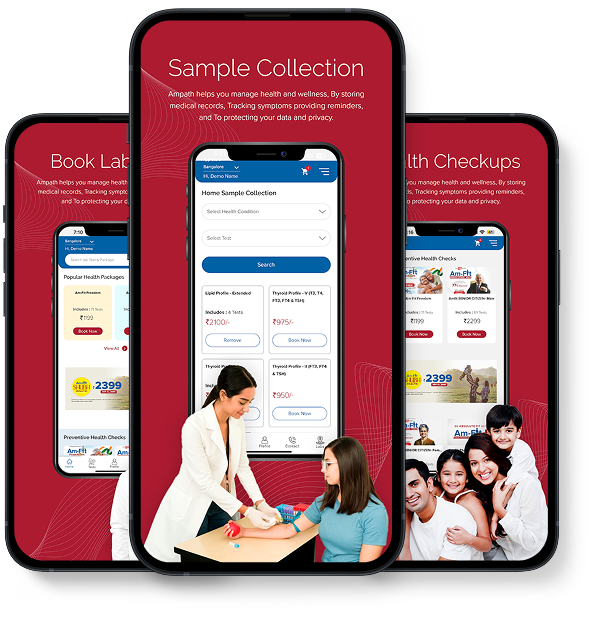
Book lab tests, access reports instantly, and get seamless home sample collection with advanced technology.
Trusted by millions, Ampath Labs ensures accurate diagnostics, convenience, and care at your fingertips.



 Select Location



 Get 15% OFF on 1st order above ₹100 Use code:



































































.jpg)