


Heart disease remains one of the leading health concerns worldwide, and high cholesterol is one of its biggest risk factors. While medications such as statins are commonly prescribed to manage cholesterol levels, dietary changes can also have a powerful impact. Among these, increasing dietary fibre intake is one of the most effective and scientifically supported strategies.
A high-fibre diet does much more than improve digestion. It can significantly influence your cholesterol profile, helping lower harmful cholesterol levels while supporting overall heart health. The best part is that many people begin to see measurable improvements in their cholesterol panel within as little as eight weeks.
Understanding Cholesterol and Your Lipid Profile
Before discussing fibre, it is important to understand the different components of a cholesterol panel.
Total Cholesterol
This is the overall amount of cholesterol in your blood, including both beneficial and harmful forms.
LDL Cholesterol (Low-Density Lipoprotein)
Often called "bad cholesterol," LDL can accumulate in artery walls, increasing the risk of heart disease and stroke.
HDL Cholesterol (High-Density Lipoprotein)
Known as "good cholesterol," HDL helps remove excess cholesterol from the bloodstream and transport it back to the liver.
Triglycerides
These are fats stored in the body for energy. Elevated triglycerides increase cardiovascular risk.
Non-HDL Cholesterol
This includes all harmful cholesterol particles and is increasingly used as an important marker of heart disease risk.
When doctors review your cholesterol panel, they assess all these values rather than focusing on LDL alone.
What Is Dietary Fibre?
Dietary fibre refers to the indigestible portion of plant foods. Unlike carbohydrates that are broken down into glucose, fibre passes through the digestive system relatively intact.
There are two primary types:
Soluble Fibre
Soluble fibre dissolves in water and forms a gel-like substance in the digestive tract. This type is especially beneficial for cholesterol reduction.
Common sources include:
Insoluble Fibre
Insoluble fibre adds bulk to stool and supports digestive health.
Sources include:
While both forms are important, soluble fibre has the strongest effect on cholesterol levels.
How Fibre Lowers Cholesterol
1. Binds to Bile Acids
The liver uses cholesterol to produce bile acids that help digest fats.
Normally, bile acids are reabsorbed in the intestine and recycled. Soluble fibre binds to these bile acids and helps eliminate them through stool.
To replace the lost bile acids, the liver pulls more LDL cholesterol from the bloodstream, leading to lower blood cholesterol levels.
2. Reduces Cholesterol Absorption
The gel formed by soluble fibre slows digestion and limits cholesterol absorption in the intestines.
As a result:
3. Supports Healthy Gut Bacteria
Fibre acts as a prebiotic, feeding beneficial gut bacteria.
These bacteria produce short-chain fatty acids such as:
Propionate appears to reduce cholesterol production in the liver, contributing to healthier lipid levels.
4. Helps with Weight Management
Excess weight often contributes to:
Fibre increases satiety, helping people eat fewer calories naturally.
Even modest weight loss can improve cholesterol numbers significantly.
5. Improves Blood Sugar Regulation
Stable blood sugar levels are linked with healthier cholesterol metabolism.
High-fibre foods:
This is particularly beneficial for people with diabetes and insulin resistance.
What Happens During the First 8 Weeks?
Many people wonder how quickly dietary changes affect cholesterol.
The answer is encouraging.
Research shows that increasing fibre intake consistently can produce measurable improvements within six to eight weeks.
Week 1–2: Digestive Adaptation
Initially, your digestive system begins adjusting to increased fibre intake.
You may notice:
At this stage, cholesterol numbers may not yet show significant changes, but important metabolic processes have begun.
Tip
Increase fibre gradually to avoid digestive discomfort.
Week 3–4: Early Cholesterol Improvements
By the third or fourth week:
Some individuals may already see:
The body is beginning to respond metabolically.
Week 5–6: Significant Lipid Changes
At this point, the benefits become more apparent.
Possible changes include:
Many clinical studies observe LDL reductions ranging from 5–10% during this period when fibre intake is significantly increased.
Week 7–8: Noticeable Cholesterol Panel Improvements
After two months of consistent high-fibre eating, many people experience measurable changes on laboratory testing.
Common outcomes include:
Lower LDL Cholesterol
The most significant improvement.
Studies show soluble fibre can reduce LDL cholesterol by approximately 5–15%, depending on intake levels and overall diet quality.
Reduced Total Cholesterol
Lower LDL contributes directly to lower total cholesterol levels.
Lower Triglycerides
Especially when fibre replaces refined carbohydrates and sugary foods.
Improved HDL Function
Although HDL numbers may not rise dramatically, HDL often functions more effectively in cholesterol removal.
Better Non-HDL Cholesterol
A reduction in harmful cholesterol particles improves overall cardiovascular risk.
How Much Fibre Do You Need?
Most adults consume far less fibre than recommended.
Recommended Daily Intake
Unfortunately, many adults consume only 12–18 grams per day.
To improve cholesterol, aim for:
Soluble Fibre Target
At least 10–15 grams daily from soluble fibre-rich foods.
Research suggests every additional 5–10 grams of soluble fibre may contribute to meaningful LDL reduction.
Best High-Fibre Foods for Cholesterol Control
Oats
Oats contain beta-glucan, one of the most studied cholesterol-lowering fibres.
Benefits:
A bowl of oatmeal daily can make a noticeable difference.
Barley
Barley contains similar beta-glucan fibres.
It can be added to:
Lentils and Pulses
Indian diets offer excellent fibre sources through:
These foods also provide plant protein.
Fruits
Particularly beneficial fruits include:
Eating fruits with the skin increases fibre intake.
Vegetables
Focus on:
Aim for vegetables at every meal.
Psyllium Husk (Isabgol)
Psyllium is one of the most effective cholesterol-lowering fibre supplements.
Research consistently demonstrates reductions in:
It can be mixed with water or added to smoothies.
Nuts and Seeds
Include:
These foods provide fibre alongside heart-healthy fats.
An Indian High-Fibre Meal Plan Example
Breakfast
Mid-Morning Snack
Lunch
Evening Snack
Dinner
Bedtime
This pattern can easily provide over 30 grams of fibre daily.
Common Mistakes That Reduce Results
Increasing Fibre Too Quickly
This may cause:
Increase gradually over several weeks.
Not Drinking Enough Water
Fibre requires adequate hydration.
Aim for:
unless medically restricted.
Depending on Supplements Alone
While fibre supplements help, whole foods provide:
Whole foods should remain the foundation.
Continuing a High Saturated Fat Diet
Fibre works best when combined with:
Who Benefits Most from a High-Fibre Diet?
A high-fibre eating pattern is particularly helpful for:
Even people with normal cholesterol can benefit from fibre's protective effects.
When to Recheck Your Cholesterol
If you've significantly increased fibre intake and improved your overall diet, many healthcare providers recommend repeating a lipid profile after approximately 8–12 weeks.
This timeframe allows enough time for meaningful physiological changes to appear in blood tests.
Tracking progress can provide motivation and help determine whether additional interventions are necessary.
Conclusion
A high-fibre diet is one of the simplest, safest, and most effective natural approaches to improving cholesterol levels. By increasing your intake of soluble fibre from oats, legumes, fruits, vegetables, seeds, and whole grains, you can support your body's ability to remove excess cholesterol and improve heart health.
Within just eight weeks, many people experience reductions in LDL cholesterol, lower triglycerides, improved digestion, and better overall metabolic health. Combined with regular physical activity, adequate hydration, and a balanced diet, fibre becomes a powerful tool for long-term cardiovascular protection.

Food-related reactions are often lumped together under a single umbrella, but food...
17-09-2026
For decades, cholesterol testing has been the cornerstone of cardiovascular risk...
17-09-2026

Chronic fatigue syndrome (chronic fatigue syndrome), also known as myalgic encephalomyelitis...
17-09-2026
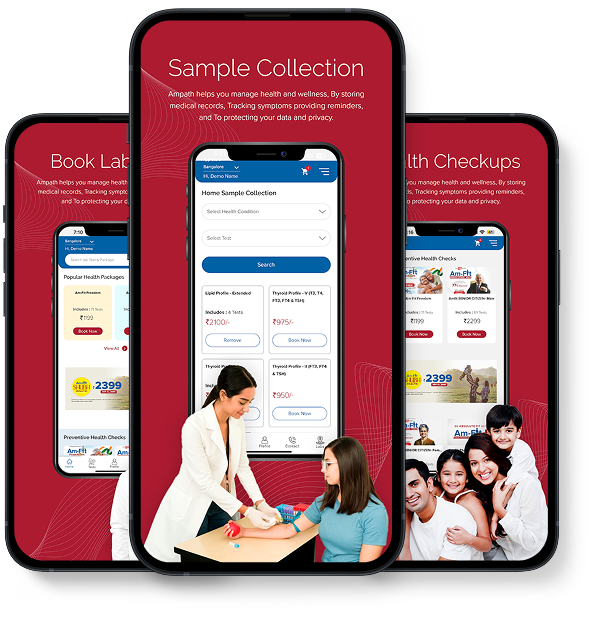
Book lab tests, access reports instantly, and get seamless home sample collection with advanced technology.
Trusted by millions, Ampath Labs ensures accurate diagnostics, convenience, and care at your fingertips.



 Meerut



 Get 15% OFF on 1st order above ₹100 Use code:



































































.jpg)