
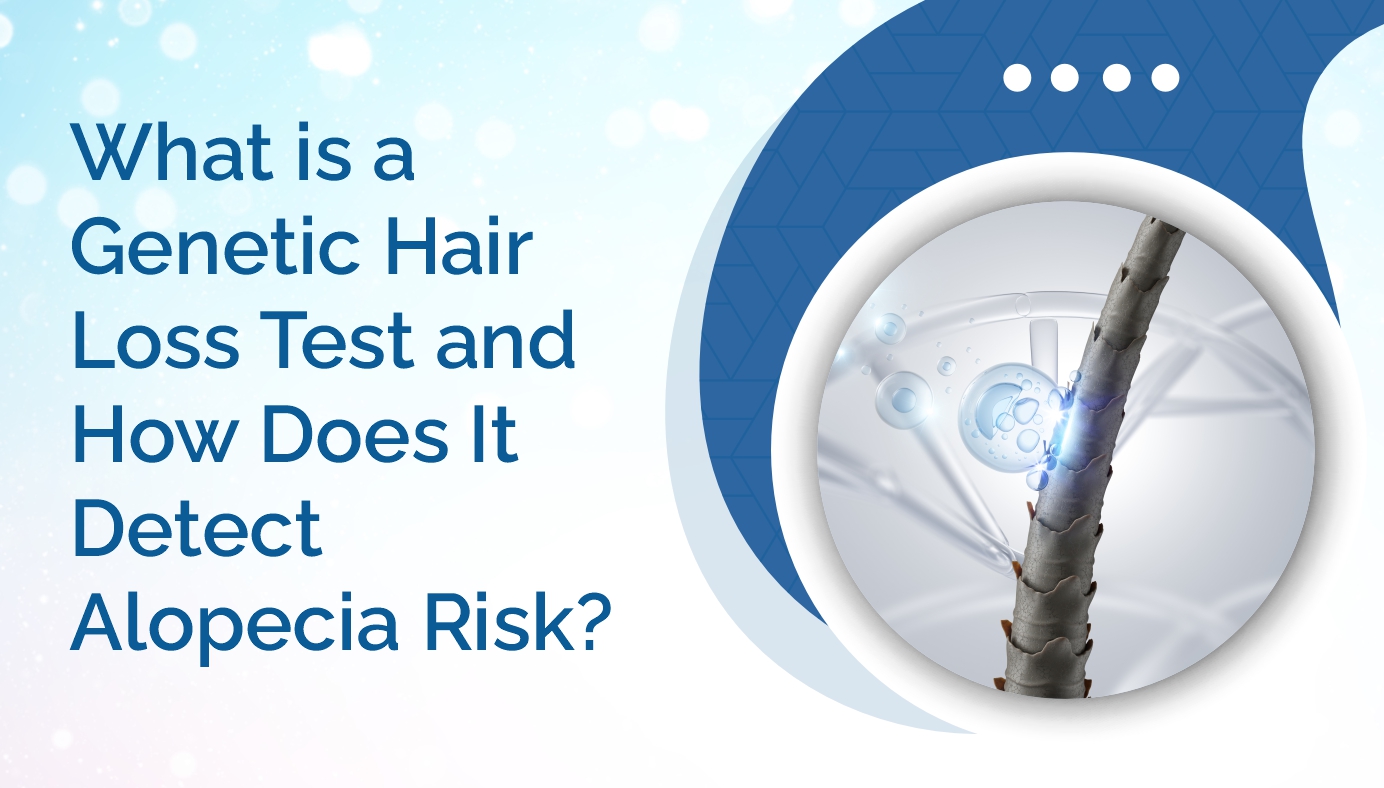


Hair loss is a common concern affecting millions of individuals globally, often causing significant distress and impacting self-confidence. While various factors contribute to hair thinning and shedding—ranging from stress and nutrition to hormonal imbalances—genetics remains the most prevalent cause. This condition, known as androgenetic alopecia (or pattern baldness), can be unpredictable. However, advancements in medical diagnostics now allow individuals to understand their predisposition to this condition through genetic testing.
What is Androgenetic Alopecia
Before delving into the specifics of genetic testing, it is essential to understand the condition these tests primarily detect: androgenetic alopecia. This hereditary condition is the most common form of hair loss in both men and women.
In men, this typically presents as a receding hairline and thinning at the crown, often progressing to partial or complete baldness. In women, it usually manifests as diffuse thinning across the top of the scalp, with the hairline generally remaining intact.
The condition is largely driven by a combination of genetics and hormones, specifically dihydrotestosterone (DHT). DHT is a derivative of testosterone that, in susceptible individuals, causes hair follicles to shrink over time—a process called miniaturization. Eventually, the follicles cease to produce viable hair. Genetic hair loss tests are designed to identify the genetic variations that make an individual susceptible to this process.
The Science Behind Genetic Hair Loss Tests
Genetic hair loss tests are non-invasive diagnostic tools that analyze your DNA to predict the likelihood of developing hereditary hair loss. The science revolves around the identification of specific genetic variations, known as single nucleotide polymorphisms (SNPs), which are associated with alopecia.
How the Test Is Performed
The procedure for a genetic hair loss test is straightforward and painless, typically involving a buccal (cheek) swab.
What the Test Looks For
Research has identified multiple genes involved in hair loss, but the androgen receptor (AR) gene is the most significant. Variations in this gene determine how sensitive your hair follicles are to androgens like DHT.
However, hair loss is polygenic, meaning it involves multiple genes. Modern genetic tests analyze a panel of relevant genes rather than just one. This comprehensive analysis allows for a more accurate prediction of risk by considering the cumulative effect of various genetic markers.
Benefits of Early Detection
The primary value of a genetic hair loss test lies in its ability to provide early insight. Hair loss is a progressive condition; once a hair follicle has completely miniaturized and scarred, it cannot produce hair again. Therefore, the window for effective non-surgical treatment is often before significant hair loss becomes visible to the naked eye.
Personalized Treatment Plans
One of the most significant advantages of genetic testing is the ability to tailor treatment. Not all hair loss treatments work for everyone. For example, some individuals may metabolize medications like minoxidil differently due to their genetic makeup.
A genetic test can sometimes analyze the sulfotransferase enzyme activity in hair follicles, which is necessary to convert minoxidil into its active form. If a patient has low enzyme activity, standard minoxidil therapy may be ineffective. Knowing this allows clinicians to prescribe alternative treatments or adjusted formulations, saving the patient time and resources.
Lifestyle and Preventive Measures
Knowing your genetic risk allows for the implementation of lifestyle changes that may slow the progression of hair loss. This might include:
Interpreting the Results
Receiving the results of a genetic hair loss test typically involves a detailed report outlining your risk profile. It is important to interpret these results with the guidance of a healthcare professional or a trichologist.
Risk Categories
Results are generally categorized into risk levels:
It is vital to understand that a "high risk" result does not guarantee total baldness, nor does a "low risk" result guarantee a full head of hair for life. Genetics is a major factor, but environmental influences and overall health also play critical roles.
Who Should Consider a Genetic Hair Loss Test?
While anyone curious about their hair health can take the test, it is particularly beneficial for specific groups:
Limitations of Genetic Testing
While genetic hair loss tests offer valuable data, they are not a standalone diagnostic solution. Hair loss can be caused by thyroid disorders, autoimmune diseases (like alopecia areata), nutritional deficiencies (such as iron or Vitamin D), and medication side effects. A genetic test for androgenetic alopecia will not detect these other causes.
Therefore, these tests should be viewed as one component of a broader health assessment. A comprehensive evaluation by a dermatologist or healthcare provider typically includes a physical examination of the scalp, blood tests to rule out other conditions, and a review of medical history alongside genetic test results.
Conclusion
Genetic hair loss testing represents a significant leap forward in dermatological science, shifting the focus from reactive damage control to proactive management. By identifying susceptibility to androgenetic alopecia before it progresses, individuals are empowered to make informed decisions about their health.
If you suspect you are at risk for hair loss or are currently noticing changes in your hair density, consulting with a diagnostic professional is the recommended first step. Through precise genetic analysis, you can access a personalized roadmap for maintaining hair health and addressing concerns with confidence and clarity.

Food-related reactions are often lumped together under a single umbrella, but food...
17-09-2026

For decades, cholesterol testing has been the cornerstone of cardiovascular risk...
17-09-2026

Chronic fatigue syndrome (chronic fatigue syndrome), also known as myalgic encephalomyelitis...
17-09-2026
Book lab tests, access reports instantly, and get seamless home sample collection with advanced technology.
Trusted by millions, Ampath Labs ensures accurate diagnostics, convenience, and care at your fingertips.




 Select Location



 Get 15% OFF on 1st order above ₹100 Use code:



































































.jpg)