
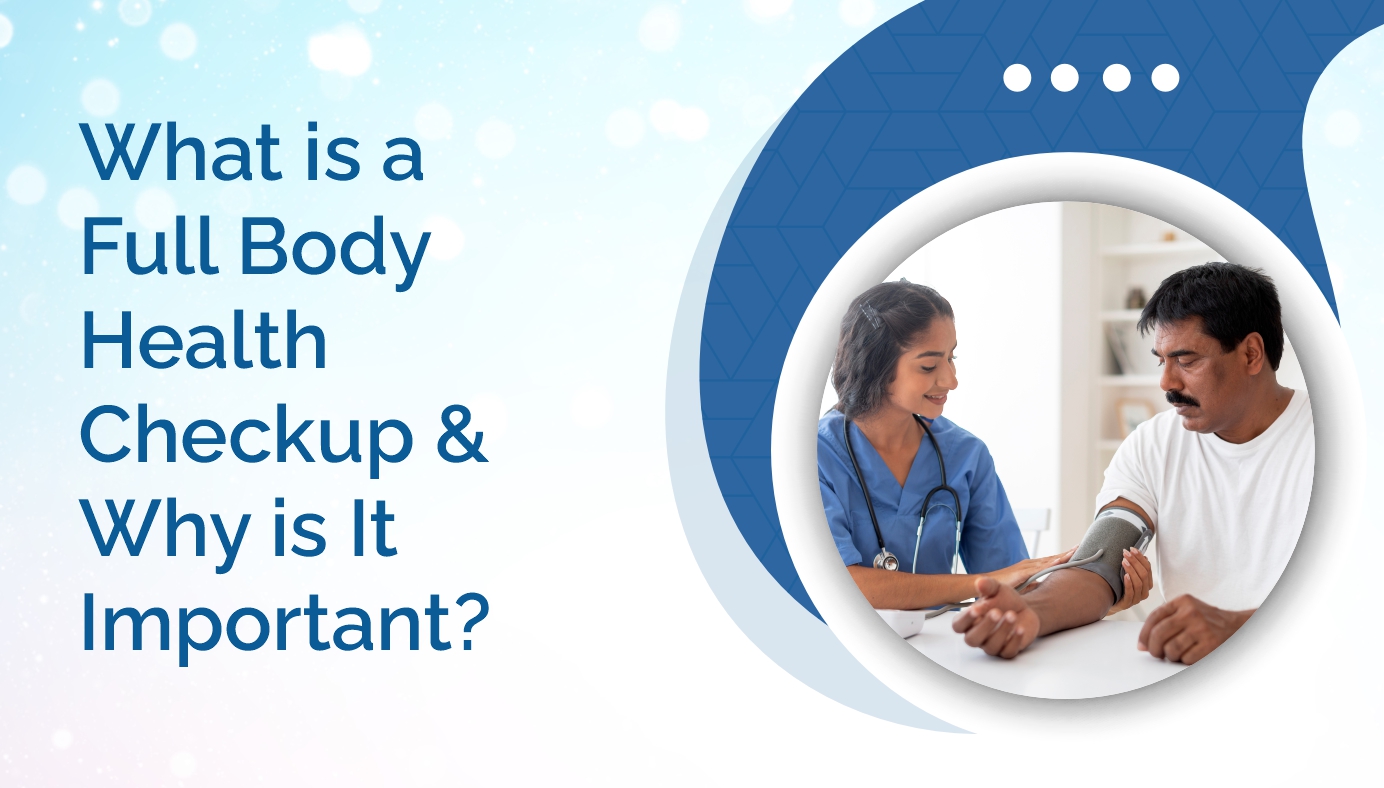


Many people visit a doctor only when they experience discomfort, pain, or visible symptoms. However, modern healthcare strongly emphasizes prevention rather than cure. One of the most effective preventive healthcare measures is a full body health checkup. It helps detect potential health issues early, assess overall wellness, and take timely action before minor concerns turn into major medical conditions.
What Is a Full Body Health Checkup?
A full body health checkup is a comprehensive evaluation of your overall health through a series of medical tests, physical examinations, and health assessments. These tests are designed to analyze how well your vital organs are functioning and to identify early signs of diseases such as diabetes, heart disease, liver disorders, kidney problems, thyroid imbalances, infections, and nutritional deficiencies.
Unlike tests done after illness appears, a full body checkup is preventive in nature. It provides a complete snapshot of your health status at a given point in time and helps identify risks even before symptoms appear.
What Does a Full Body Health Checkup Include?
Although the exact components may vary based on age, gender, lifestyle, and existing health conditions, a standard full body checkup typically includes the following categories:
1. Blood Tests
Blood tests form the foundation of most health checkups. They help assess multiple parameters, including:
2. Urine and Stool Tests
These tests help detect kidney issues, urinary tract infections, digestive problems, and metabolic disorders.
3. Cardiac Evaluation
Heart health is crucial, especially with increasing cases of lifestyle-related diseases. Common cardiac tests include:
4. Imaging and Radiology Tests
Some packages may include:
These help evaluate internal organs such as the liver, kidneys, gallbladder, pancreas, and lungs.
5. Physical Examination and Doctor Consultation
A physician evaluates your medical history, lifestyle habits, family history, and test results to provide personalized health advice.
Why Is a Full Body Health Checkup Important?
1. Early Detection of Diseases
Many serious illnesses such as diabetes, hypertension, heart disease, and certain cancers develop silently, without noticeable symptoms in the early stages. A full body checkup helps identify these conditions early, when treatment is simpler, more effective, and less expensive.
2. Prevents Lifestyle Diseases
Sedentary habits, unhealthy diets, stress, smoking, and lack of exercise are major contributors to lifestyle-related diseases. Regular health checkups can detect warning signs early and help you make necessary lifestyle changes.
3. Saves Healthcare Costs in the Long Run
Preventive healthcare may seem like an expense, but it actually saves money over time. Treating a disease in its advanced stage is far more costly than managing it early or preventing it altogether.
4. Monitors Existing Health Conditions
For individuals with known medical conditions like diabetes, thyroid disorders, or high cholesterol, regular full body checkups help track progress, monitor treatment effectiveness, and prevent complications.
5. Provides Mental Peace
Knowing that your health parameters are within normal limits offers reassurance and reduces anxiety. On the other hand, if abnormalities are detected, you gain clarity and direction on the next steps.
Who Should Get a Full Body Health Checkup?
1. Adults Above 30 Years
Health risks tend to increase after the age of 30 due to metabolic changes and lifestyle factors. An annual full body checkup is strongly recommended.
2. People with Family History of Diseases
If you have a family history of diabetes, heart disease, hypertension, cancer, or thyroid disorders, regular checkups are essential to assess your risk levels.
3. Working Professionals
Long working hours, stress, irregular meals, lack of exercise, and poor sleep patterns make working professionals vulnerable to health problems.
4. Senior Citizens
For individuals above 50 or 60 years, regular health monitoring helps maintain quality of life, independence, and early management of age-related conditions.
5. Individuals with Unhealthy Lifestyle Habits
Smokers, frequent alcohol consumers, people with poor diet habits, or high stress levels should consider frequent comprehensive health checkups.
How Often Should You Get a Full Body Health Checkup?
Regular checkups help establish health baselines and track changes over time.
Full Body Health Checkup vs. Routine Tests
Many people confuse routine tests with full body checkups. Routine tests are often done for a specific issue, such as a fever or stomach pain. A full body checkup, on the other hand, provides a holistic assessment of your health, even when you feel perfectly fine.
Preparing for a Full Body Health Checkup
To ensure accurate results:
Proper preparation helps obtain reliable and meaningful test results.
Why Choose a Trusted Diagnostic Partner?
The accuracy of a full body health checkup depends heavily on:
Choosing a trusted and accredited diagnostic laboratory ensures confidence in test results and proper medical guidance.
Conclusion
A full body health checkup is an investment in your future health. With Ampath Labs, you get access to state-of-the-art diagnostic technology, accurate test results, and comprehensive health packages designed for every age group and lifestyle. Backed by experienced professionals and a strong commitment to quality, Ampath Labs helps you take proactive control of your health, enabling early detection, timely intervention, and long-term wellness.

Food-related reactions are often lumped together under a single umbrella, but food...
17-09-2026

For decades, cholesterol testing has been the cornerstone of cardiovascular risk...
17-09-2026
Chronic fatigue syndrome (chronic fatigue syndrome), also known as myalgic encephalomyelitis...
17-09-2026
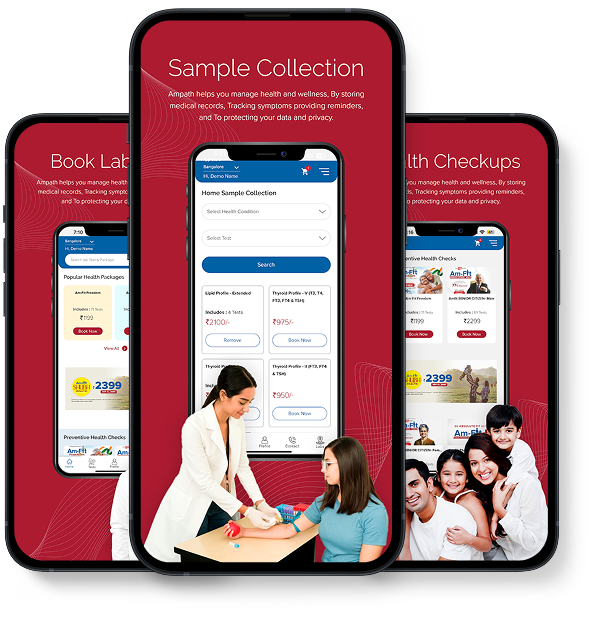
Book lab tests, access reports instantly, and get seamless home sample collection with advanced technology.
Trusted by millions, Ampath Labs ensures accurate diagnostics, convenience, and care at your fingertips.



 Select Location



 Get 15% OFF on 1st order above ₹100 Use code:



































































.jpg)