



Routine blood work is a cornerstone of proactive healthcare. While a visit to a diagnostic center often lasts only a few minutes, the sample collected provides a comprehensive snapshot of your internal health. For many patients, however, receiving the final laboratory report can be a source of confusion rather than clarity. The pages are often filled with abbreviations, numerical ranges, and medical terminology that can be difficult to interpret without professional guidance.
Importance of Complete Blood Count (CBC)
The Complete Blood Count is the most common blood test performed during a routine medical examination. As the name suggests, it evaluates the cells that circulate in your blood. A CBC offers a broad overview of your general health and is instrumental in diagnosing conditions ranging from anemia and infection to leukemia.
This test measures three primary components:
Red Blood Cells (RBCs)
Red blood cells are responsible for carrying oxygen from your lungs to the rest of your body. The CBC measures the actual count of these cells, as well as Hemoglobin (the oxygen-carrying protein) and Hematocrit (the proportion of your blood made up of red blood cells). Low levels in these areas often indicate anemia, which leads to fatigue and weakness. High levels might indicate dehydration or underlying heart or lung conditions.
White Blood Cells (WBCs)
White blood cells are the immune system’s primary defense against illness. The test measures the total number of WBCs and typically includes a "differential," which counts the five specific types of white blood cells. An elevated WBC count is a strong indicator that your body is fighting an infection or dealing with severe inflammation. Conversely, a low count may suggest a weakened immune system or specific bone marrow disorders.
Platelets
Platelets are cell fragments that help your blood clot. When you sustain an injury, platelets rush to the site to stop the bleeding. If your platelet count is too low (thrombocytopenia), you are at risk of excessive bleeding or bruising. If the count is too high (thrombocytosis), there is an increased risk of blood clots forming in the blood vessels.
The Basic Metabolic Panel (BMP)
While the CBC looks at the cells in your blood, the Basic Metabolic Panel (often called a chemistry screen) analyzes the fluid portion of your blood, known as plasma. This test provides information about your body's chemical balance and metabolism. It is frequently used to monitor kidney function, blood sugar levels, and electrolyte balance.
Key components of the BMP include:
The Lipid Panel
Cardiovascular health is a major priority in preventative medicine, and the Lipid Panel is the primary tool used to assess the risk of heart disease. This test measures the fats and cholesterol in your blood. Because high cholesterol typically presents no physical symptoms, this test is vital for early detection of coronary artery disease risks.
A standard Lipid Panel assesses:
Thyroid Function Tests
The thyroid is a small, butterfly-shaped gland in the neck that regulates your metabolism, energy generation, and mood. When the thyroid malfunctions, it can cause weight fluctuations, fatigue, and temperature sensitivity.
Physicians typically order a "thyroid panel" to check how well this gland is working. The most common measurement is TSH (Thyroid-Stimulating Hormone). TSH is produced by the pituitary gland to tell the thyroid how much hormone to release.
The panel may also measure T3 and T4, the actual hormones produced by the thyroid, to confirm a diagnosis and determine the severity of the imbalance.
Hemoglobin A1C
For patients managing diabetes or those at risk of developing the condition, the Hemoglobin A1C test is essential. Unlike the glucose test in a BMP, which gives a snapshot of your blood sugar at a single moment, the A1C test reflects your average blood sugar levels over the past two to three months.
It works by measuring the percentage of hemoglobin proteins in your red blood cells that are coated with sugar (glycated). The higher your A1C percentage, the poorer your blood sugar control has been over time. This provides a reliable, long-term view of how well your body is managing glucose, allowing for more accurate adjustments to medication or lifestyle.
Coagulation Panel
Doctors prescribe coagulation tests to see how quickly and effectively your blood clots. These tests are critical for patients taking blood-thinning medications (anticoagulants) or those who experience unexplained bruising or bleeding.
The most common test in this panel is the Prothrombin Time (PT) test. It measures the time it takes for plasma to clot. Results are often expressed as an International Normalized Ratio (INR), which provides a standardized way for laboratories to report the results regardless of the testing method used. Maintaining the correct INR is vital for ensuring medication effectiveness while preventing dangerous bleeding events.
Conclusion
Medical diagnostics are the foundation of effective healthcare. While the terminology on a lab report can seem complex, each value tells a specific story about your physiological health. Whether identifying a vitamin deficiency through a CBC or assessing heart health via a Lipid Panel, these tests provide the actionable data necessary to maintain a healthy lifestyle.
We recommend consulting with your healthcare provider to determine which tests are appropriate for your age, medical history, and risk factors. Regular screening allows for early intervention, ensuring that you remain in control of your health journey.
Food-related reactions are often lumped together under a single umbrella, but food...
17-09-2026
For decades, cholesterol testing has been the cornerstone of cardiovascular risk...
17-09-2026

Chronic fatigue syndrome (chronic fatigue syndrome), also known as myalgic encephalomyelitis...
17-09-2026
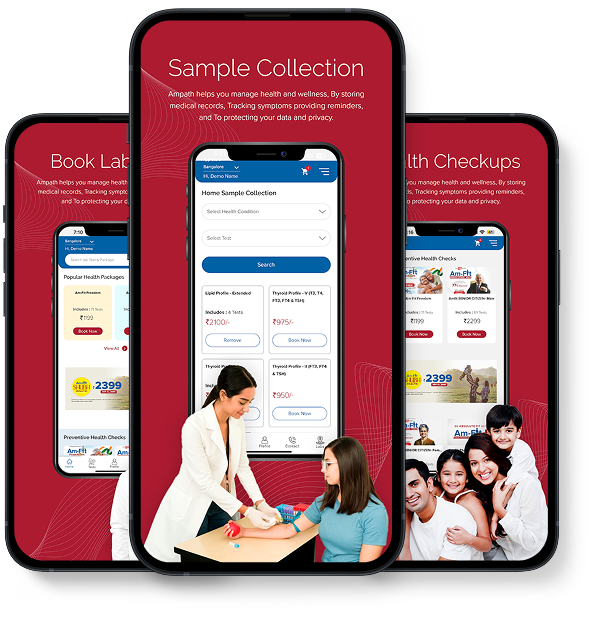
Book lab tests, access reports instantly, and get seamless home sample collection with advanced technology.
Trusted by millions, Ampath Labs ensures accurate diagnostics, convenience, and care at your fingertips.



 Select Location



 Get 15% OFF on 1st order above ₹100 Use code:



































































.jpg)