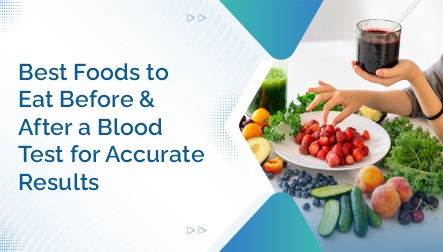


Blood tests are among the most common and effective tools used to assess overall health, diagnose medical conditions, monitor treatment progress, and detect potential health risks early. Whether you are undergoing a routine health checkup, cholesterol screening, blood sugar test, liver function test, or vitamin assessment, what you eat before and after a blood test can significantly impact your experience and, in some cases, the accuracy of your results.
Many people are unsure about what foods are allowed before a blood test, whether fasting is necessary, or what they should eat afterward to recover energy levels. Understanding proper dietary preparation can help ensure accurate test results while making the process more comfortable.
Why Food Matters Before a Blood Test
Certain blood tests measure substances that can be directly influenced by recent food and beverage intake. For example, glucose levels, cholesterol levels, triglycerides, and some metabolic markers can fluctuate after eating. This is why healthcare providers often recommend fasting before specific tests.
Eating the wrong foods before a test can sometimes lead to misleading results, potentially causing unnecessary concern or requiring repeat testing. Following the recommended dietary instructions helps provide a more accurate picture of your health.
Types of Blood Tests That May Require Fasting
Not every blood test requires fasting. However, fasting is commonly recommended for:
Typically, fasting means avoiding all food and calorie-containing beverages for 8 to 12 hours before the test. Water is generally allowed and encouraged unless your doctor provides different instructions.
What Can You Eat Before a Blood Test?
The answer depends on whether your test requires fasting.
If Your Test Does Not Require Fasting
You can generally consume a balanced and nutritious meal before your appointment. Focus on foods that provide steady energy and support hydration.
Good options include:
Eating a healthy meal helps maintain stable energy levels and may reduce dizziness during blood collection.
If Your Test Requires Fasting
Before beginning your fasting period, eat a balanced dinner that includes:
For example, grilled chicken with brown rice and steamed vegetables is a suitable meal before an overnight fast.
Avoid overeating or consuming unhealthy foods during your last meal before fasting, as this may affect certain blood markers.
Best Foods to Eat the Day Before a Blood Test
Preparing the day before your test is just as important as fasting itself. Choosing nutrient-rich foods can support stable blood chemistry and reduce discomfort.
1. Lean Proteins
Protein helps maintain muscle health and keeps you feeling satisfied.
Examples include:
Protein-rich foods are generally digested steadily and support balanced metabolism.
2. High-Fiber Vegetables
Vegetables provide essential vitamins and minerals while promoting healthy digestion.
Excellent choices include:
Fiber helps regulate blood sugar and supports overall metabolic health.
3. Whole Grains
Complex carbohydrates provide sustained energy without causing sudden spikes in blood sugar.
Examples include:
These foods are preferable to refined carbohydrates such as white bread and sugary snacks.
4. Healthy Fats
Healthy fats support hormone production and overall health.
Good sources include:
Consume these in moderation as part of a balanced meal.
5. Fruits with Low to Moderate Sugar Content
Fruits provide antioxidants, vitamins, and hydration.
Good choices include:
These fruits can be part of a healthy meal before the fasting period begins.
Foods to Avoid Before a Blood Test
Certain foods and beverages may interfere with blood test results.
1. Sugary Foods and Drinks
Avoid:
High sugar intake may temporarily elevate blood glucose and triglyceride levels.
2. Alcohol
Alcohol can affect:
Avoid alcohol for at least 24 hours before testing unless otherwise advised.
3. Fried and Fatty Foods
Examples include:
These foods may temporarily affect lipid levels and digestive function.
4. Excessive Caffeine
Large amounts of coffee or energy drinks can influence certain hormone levels and contribute to dehydration.
If fasting is required, avoid coffee unless specifically permitted by your healthcare provider.
5. High-Sodium Foods
Examples include:
Excess sodium may contribute to temporary fluid retention and affect some laboratory measurements.
Can You Drink Water Before a Blood Test?
In most cases, yes.
Water is often encouraged before blood testing because it:
Plain water is usually allowed during fasting periods. However, avoid:
Always follow the specific instructions provided by your healthcare provider.
What Happens If You Eat Before a Fasting Blood Test?
Eating during a required fasting period can affect test accuracy.
Potential consequences include:
If you accidentally eat before a fasting test, inform the laboratory staff or your doctor. They may recommend rescheduling the test to ensure accurate results.
Why You May Feel Weak After a Blood Test
Some individuals experience:
This is especially common after fasting for several hours.
Contributing factors may include:
Eating a nutritious meal after the test can help restore energy and improve comfort.
Best Foods to Eat After a Blood Test
After your blood sample has been collected, replenishing nutrients and fluids is important.
1. Fresh Fruits
Fruits provide natural sugars, hydration, vitamins, and antioxidants.
Excellent options include:
Bananas are particularly useful because they provide potassium and quick energy.
2. Whole Grain Foods
Healthy carbohydrates help restore energy gradually.
Examples include:
These foods support stable blood sugar levels.
3. Protein-Rich Foods
Protein helps maintain fullness and supports recovery.
Good choices include:
Combining protein with carbohydrates creates a balanced post-test meal.
4. Iron-Rich Foods
Although routine blood tests remove only a small amount of blood, iron-rich foods can support healthy red blood cell production.
Examples include:
Pair iron-rich foods with vitamin C sources for better absorption.
5. Hydrating Foods
Foods with high water content help restore hydration.
Examples include:
Hydration is especially important if you were fasting.
Sample Meals to Eat After a Blood Test
Breakfast Option
Lunch Option
Vegetarian Option
Quick Snack Option
These meals provide a balanced mix of carbohydrates, protein, vitamins, and minerals.
Special Considerations for Diabetic Patients
People with diabetes should follow their healthcare provider's instructions carefully before fasting blood tests.
Important tips include:
Proper planning helps reduce the risk of hypoglycemia during fasting.
Additional Tips for Accurate Blood Test Results
To maximize accuracy:
These simple steps can help ensure reliable laboratory results.
Common Myths About Eating Before Blood Tests
Myth 1: Drinking Water Breaks a Fast
False. Plain water is generally permitted and often recommended.
Myth 2: Black Coffee Is Always Allowed
Not necessarily. Some tests may require complete fasting, including avoiding coffee.
Myth 3: Skipping Food for Longer Gives Better Results
False. Excessively long fasting periods may affect certain test values and cause unnecessary discomfort.
Myth 4: Eating Immediately After a Blood Test Is Mandatory
Not always. However, eating a balanced meal afterward is beneficial, particularly if you fasted.
Conclusion
The foods you choose before and after a blood test can play an important role in both test accuracy and personal comfort. Before testing, focus on balanced meals rich in lean proteins, vegetables, whole grains, and healthy fats. If fasting is required, follow your healthcare provider's instructions carefully and drink plenty of water unless told otherwise.
After the blood test, replenish your body with nutritious foods such as fruits, whole grains, protein-rich meals, and hydrating beverages. These choices help restore energy, maintain hydration, and support overall well-being.
Food-related reactions are often lumped together under a single umbrella, but food...
17-09-2026
For decades, cholesterol testing has been the cornerstone of cardiovascular risk...
17-09-2026
Chronic fatigue syndrome (chronic fatigue syndrome), also known as myalgic encephalomyelitis...
17-09-2026
Book lab tests, access reports instantly, and get seamless home sample collection with advanced technology.
Trusted by millions, Ampath Labs ensures accurate diagnostics, convenience, and care at your fingertips.



 Select Location



 Get 15% OFF on 1st order above ₹100 Use code:





































.jpg)