
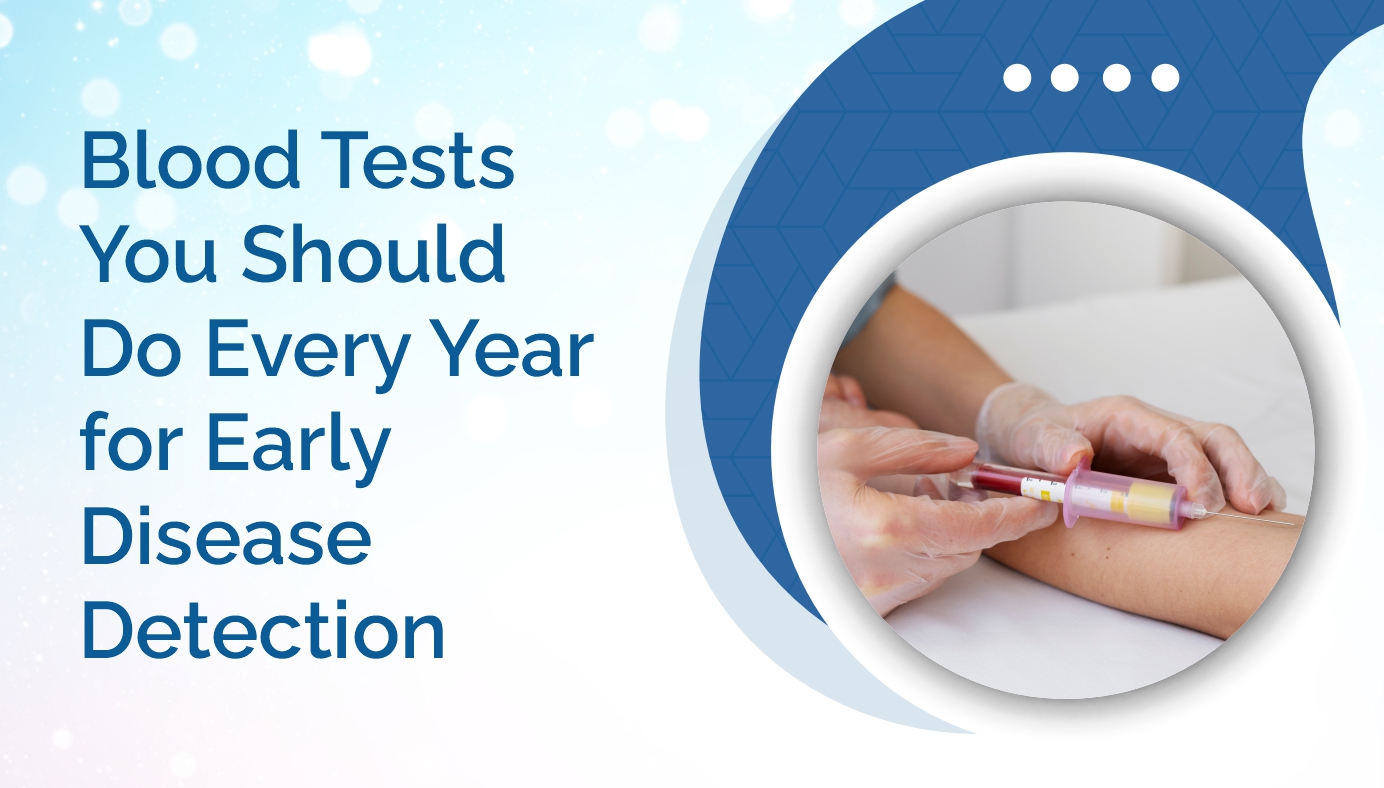


Annual blood tests play a crucial role in early disease detection, helping identify potential health risks before they become serious. Regular testing not only allows timely medical intervention but also helps you track your overall health trends year after year.
Whether you feel perfectly healthy or already manage a medical condition, preventive blood tests are one of the smartest investments you can make for long-term wellbeing.
Why Annual Blood Tests Are Important
Blood tests provide a snapshot of what’s happening inside your body. They can reveal:
Many serious conditions such as diabetes, heart disease, thyroid disorders, kidney problems, and liver disease develop gradually. Routine blood tests help catch these conditions early, often before symptoms appear, making treatment more effective and less expensive.
1. Complete Blood Count (CBC)
What It Measures:
A Complete Blood Count evaluates the major components of your blood, including:
Why It’s Important:
CBC is one of the most basic yet powerful tests. It helps detect:
Low hemoglobin or RBC levels may indicate anemia, while abnormal WBC counts can signal infections or immune-related conditions.
Who Should Take It:
Everyone, at least once a year, regardless of age or gender.
2. Blood Sugar Tests (Fasting Blood Sugar & HbA1c)
What They Measure:
Why They’re Important:
These tests are essential for detecting:
Diabetes often develops without noticeable symptoms. Early detection helps prevent complications such as heart disease, kidney damage, nerve damage, and vision loss.
Who Should Take It:
3. Lipid Profile (Cholesterol Test)
What It Measures:
Why It’s Important:
High cholesterol is a major risk factor for:
A lipid profile helps assess your cardiovascular risk and guides dietary and lifestyle changes to maintain heart health.
Who Should Take It:
All adults should check cholesterol levels annually, especially those with:
4. Liver Function Test (LFT)
What It Measures:
LFT evaluates enzymes and proteins such as:
Why It’s Important:
Liver tests help detect:
Liver disease often shows no symptoms in early stages, making routine testing extremely important.
Who Should Take It:
5. Kidney Function Test (KFT)
What It Measures:
Why It’s Important:
Kidney function tests assess how well your kidneys filter waste from the blood. They help detect:
Early kidney disease can be managed effectively when caught in time.
Who Should Take It:
6. Thyroid Function Test (TFT)
What It Measures:
Why It’s Important:
Thyroid disorders are common and often underdiagnosed. TFT helps detect:
Who Should Take It:
7. Vitamin D Test
What It Measures:
Levels of 25-hydroxy vitamin D in the blood.
Why It’s Important:
Vitamin D deficiency is widespread and can lead to:
It also plays a role in mental health and immune function.
Who Should Take It:
8. Vitamin B12 Test
What It Measures:
Vitamin B12 levels in the blood.
Why It’s Important:
Vitamin B12 is essential for:
Deficiency can cause fatigue, tingling sensations, memory issues, and anemia.
Who Should Take It:
9. Iron Studies
What It Measures:
Why It’s Important:
Iron studies help diagnose:
Iron imbalance can affect energy levels, immunity, and cognitive function.
Who Should Take It:
10. Inflammatory Markers (CRP or ESR)
What They Measure:
Why They’re Important:
These markers indicate inflammation in the body and may help detect:
Persistent inflammation is linked to several chronic diseases.
Who Should Take It:
Individuals with unexplained pain, fatigue, or chronic conditions.
How Often Should You Get These Tests?
For most healthy adults, once a year is sufficient. However, your doctor may recommend more frequent testing based on:
Tracking results annually also helps identify trends and subtle changes over time.
Preparing for a Blood Test
To ensure accurate results:
Conclusion
Annual blood tests are a powerful preventive tool that can help detect diseases early, monitor organ health, and guide lifestyle modifications. Instead of waiting for symptoms to appear, proactive testing empowers you to take control of your health and make informed decisions.
Comprehensive annual health checkups that include these essential blood tests provide peace of mind and long-term benefits. Diagnostic centers like Ampath Labs offer reliable testing, advanced technology, and accurate reporting, making preventive healthcare more accessible and effective.

Food-related reactions are often lumped together under a single umbrella, but food...
17-09-2026

For decades, cholesterol testing has been the cornerstone of cardiovascular risk...
17-09-2026
Chronic fatigue syndrome (chronic fatigue syndrome), also known as myalgic encephalomyelitis...
17-09-2026
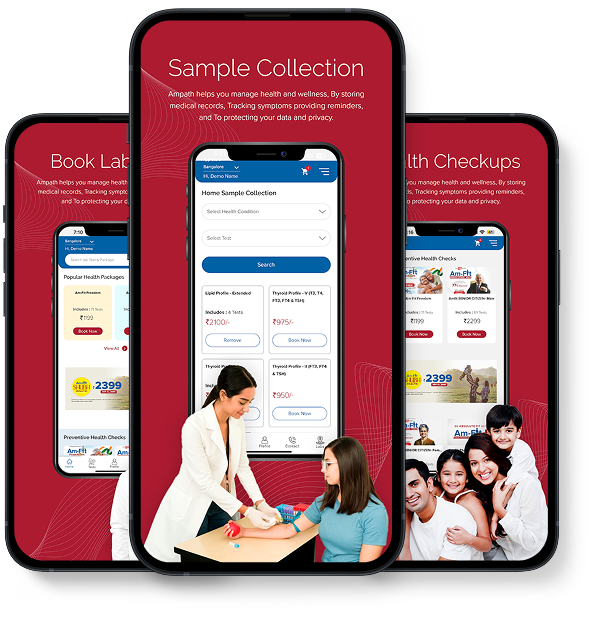
Book lab tests, access reports instantly, and get seamless home sample collection with advanced technology.
Trusted by millions, Ampath Labs ensures accurate diagnostics, convenience, and care at your fingertips.



 Select Location



 Get 15% OFF on 1st order above ₹100 Use code:



































































.jpg)