
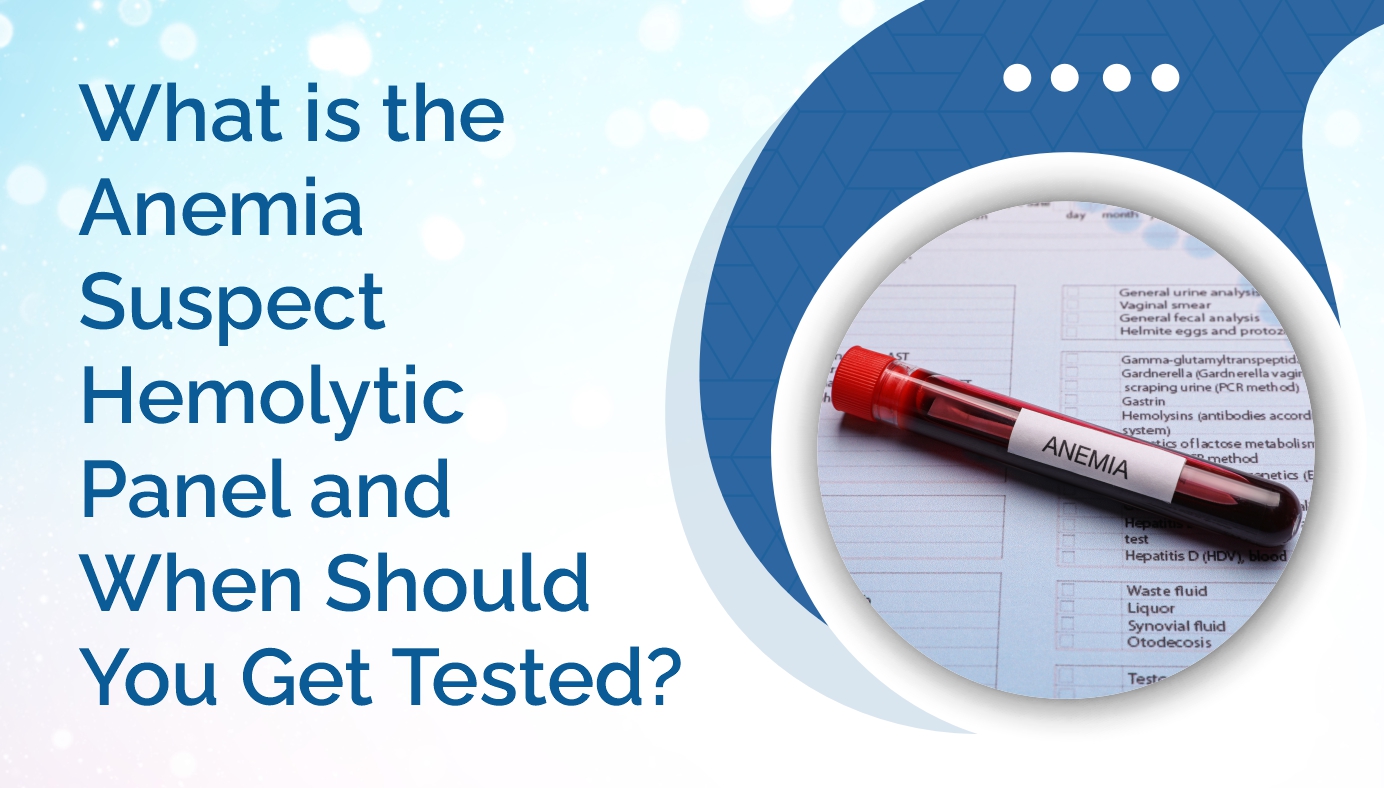


Red blood cells perform the critical function of carrying oxygen to tissues throughout the body. In a healthy individual, these cells live for approximately 120 days before being naturally removed and replaced. However, certain medical conditions can cause these cells to be destroyed prematurely—a process known as hemolysis. When the bone marrow cannot produce new red blood cells fast enough to replace the destroyed ones, the result is hemolytic anemia.
Diagnosing this condition requires precision and specific medical insights. The Anemia Suspect Hemolytic Panel is a specialized group of diagnostic tests designed to evaluate the lifecycle of red blood cells. By measuring specific markers in the blood, this panel helps physicians confirm the presence of hemolysis, identify its severity, and determine the underlying cause.
What is Hemolytic Anemia
To understand the utility of the Anemia Suspect Hemolytic Panel, it is necessary to first understand the condition it detects. Anemia, in general, refers to a deficiency in red blood cells or hemoglobin. Hemolytic anemia is distinct because it is not caused by a lack of iron or vitamin B12, but rather by the destruction of the cells themselves.
This destruction can occur due to intrinsic factors, such as genetic defects within the red blood cell (like sickle cell disease or thalassemia), or extrinsic factors, where the immune system, infections, or medications attack healthy cells. Regardless of the cause, the result is a significant drop in the body’s ability to transport oxygen, leading to systemic health issues. The Anemia Suspect Hemolytic Panel provides the data necessary to differentiate hemolytic anemia from other blood disorders.
Components of the Anemia Suspect Hemolytic Panel
This panel is not a single test but a collection of assays that provide a comprehensive view of red blood cell health. Each component measures a different byproduct of cell destruction or the body’s attempt to compensate for it.
Complete Blood Count (CBC)
The CBC is the foundational test in this panel. It measures the number of red blood cells, the amount of hemoglobin, and the hematocrit (the percentage of blood volume made up of red blood cells). In cases of hemolytic anemia, these numbers are typically low, indicating that the body is losing cells faster than it can replace them.
Reticulocyte Count
Reticulocytes are immature red blood cells. When the body detects a drop in oxygen levels due to anemia, the bone marrow works overtime to produce new cells, releasing them into the bloodstream before they are fully mature. A high reticulocyte count is a hallmark of hemolytic anemia, as it indicates the bone marrow is responding appropriately to the rapid loss of cells.
Peripheral Blood Smear
This test involves a pathologist examining a drop of blood under a microscope. It allows for the visual inspection of red blood cell shape and structure. In hemolytic anemia, specific abnormalities are often visible, such as schistocytes (fragmented cells) or spherocytes (sphere-shaped cells). These visual cues provide strong evidence of physical damage to the cells.
Lactate Dehydrogenase (LDH)
LDH is an enzyme found inside red blood cells. When these cells rupture during hemolysis, they release LDH into the bloodstream. Consequently, significantly elevated levels of LDH are a strong indicator of cellular destruction. This test helps quantify the extent of the hemolysis occurring in the body.
Haptoglobin
Haptoglobin is a protein produced by the liver that acts as a scavenger. Its primary function is to bind to free hemoglobin released when red blood cells are destroyed. The haptoglobin-hemoglobin complex is then removed by the liver. In patients with hemolytic anemia, haptoglobin levels are typically very low or undetectable because the protein is being used up faster than the liver can produce it.
Unconjugated Bilirubin
Bilirubin is a yellow pigment formed during the normal breakdown of red blood cells. When hemolysis occurs, the breakdown of heme (the iron-containing part of hemoglobin) accelerates, leading to an excess of bilirubin. Specifically, indirect or unconjugated bilirubin levels rise, which can lead to jaundice. Measuring this aids in confirming that the anemia is due to destruction rather than lack of production.
Direct Antiglobulin Test (Coombs Test)
This test determines if the hemolysis is immune-mediated. It detects antibodies or complement proteins attached to the surface of red blood cells. A positive result suggests that the body’s immune system is mistakenly attacking its own red blood cells, pointing toward autoimmune hemolytic anemia.
When Should You Get Tested?
Physicians typically recommend the Anemia Suspect Hemolytic Panel when a patient presents with symptoms suggesting accelerated red blood cell destruction or when a standard CBC shows anemia without a clear nutritional cause. Recognizing the signs is crucial for timely medical intervention.
Physical Symptoms
The rapid breakdown of red blood cells produces distinct physical symptoms. Patients often experience:
Clinical Scenarios
Beyond physical symptoms, certain clinical situations warrant this testing panel:
Preparing for the Test
The Anemia Suspect Hemolytic Panel involves a standard blood draw. While specific preparation instructions may vary depending on the laboratory, fasting is not typically required for a CBC or reticulocyte count. However, since this panel often includes tests for bilirubin and other metabolic markers, your healthcare provider may recommend fasting for 8 to 12 hours prior to the sample collection to ensure the most accurate results.
It is essential to inform the laboratory and your physician of any medications or supplements you are taking, as some substances can interfere with test results. Hydration is also recommended to facilitate the blood draw process.
Interpreting the Results
Interpretation of the Anemia Suspect Hemolytic Panel requires professional medical expertise. A single abnormal result may not confirm a diagnosis; rather, physicians look for a pattern across all markers.
For instance, a combination of low haptoglobin, high LDH, high reticulocyte count, and elevated bilirubin strongly supports a diagnosis of hemolytic anemia. Conversely, if the reticulocyte count is low despite anemia, it may point to a bone marrow failure issue rather than hemolysis. The Direct Coombs test further categorizes the condition as immune or non-immune, guiding the treatment plan.
Conclusion
Hemolytic anemia is a complex condition that requires precise identification to manage effectively. Whether the cause is genetic, autoimmune, or environmental, the Anemia Suspect Hemolytic Panel serves as the critical tool for uncovering the truth behind the symptoms.
Early detection allows for prompt treatment, which may include corticosteroids, immune-suppressing therapy, blood transfusions, or simply discontinuing a problematic medication.

Food-related reactions are often lumped together under a single umbrella, but food...
17-09-2026

For decades, cholesterol testing has been the cornerstone of cardiovascular risk...
17-09-2026

Chronic fatigue syndrome (chronic fatigue syndrome), also known as myalgic encephalomyelitis...
17-09-2026
Book lab tests, access reports instantly, and get seamless home sample collection with advanced technology.
Trusted by millions, Ampath Labs ensures accurate diagnostics, convenience, and care at your fingertips.




 Select Location



 Get 15% OFF on 1st order above ₹100 Use code:

































































.jpg)