
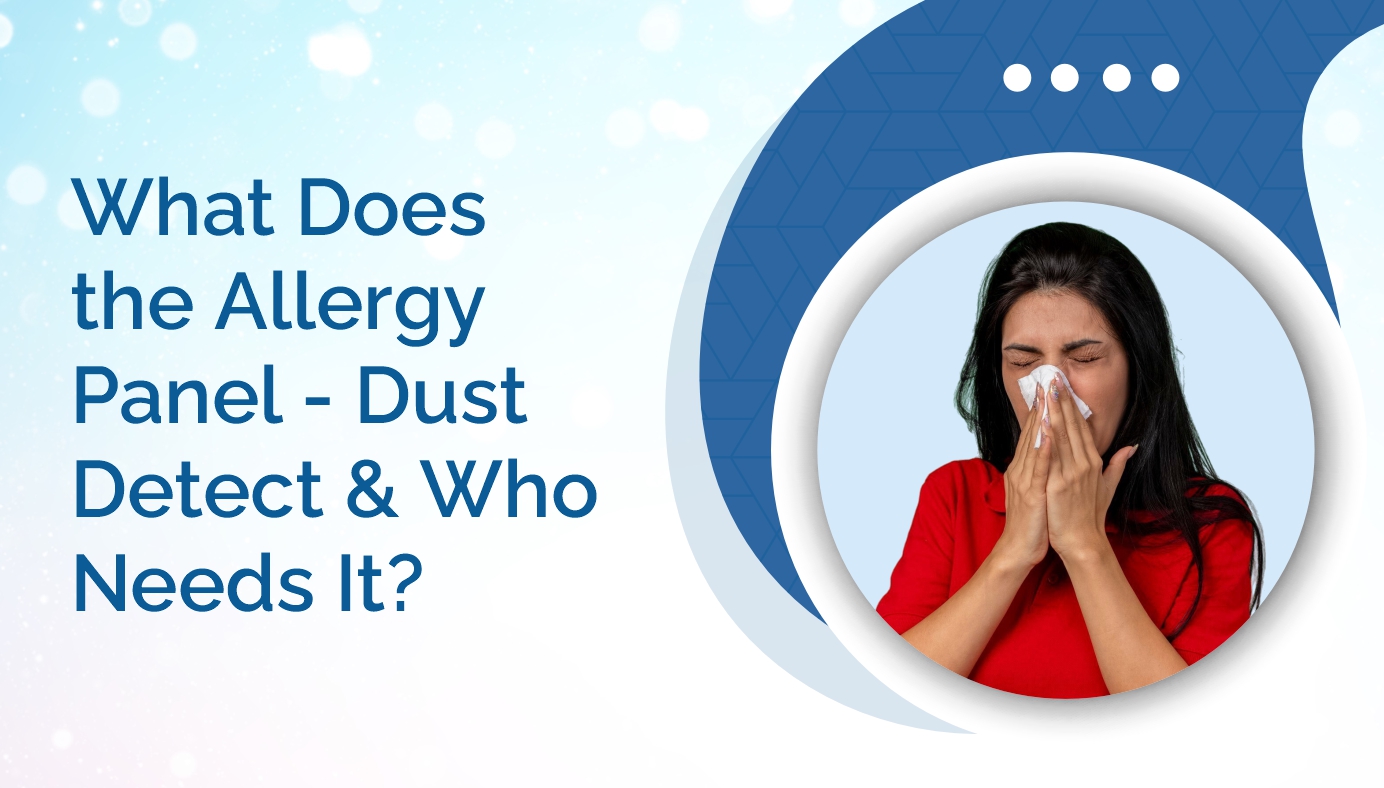


Indoor environments are often perceived as safe from the pollutants and allergens of the outside world. However, for millions of individuals, the home environment presents a significant respiratory challenge due to a pervasive and microscopic antagonist: dust. While often dismissed as a simple nuisance involving cleaning, household dust is a complex mixture of matter that can trigger severe immune responses.
The Allergy Panel – Dust is a specific diagnostic tool designed to pinpoint exactly what components within dust are causing a patient's symptoms. Understanding the specific allergens present in your environment is the first step toward effective management and symptom relief.
Understanding the Allergy Panel – Dust
The Allergy Panel – Dust is a serological (blood) test that measures the levels of Allergen-specific Immunoglobulin E (IgE) in a patient's system. When the immune system encounters a substance it deems harmful, it produces IgE antibodies to neutralize the threat. In the case of an allergy, the body mistakes a harmless protein—such as that found in dust mite waste—for a pathogen.
This panel does not simply test for "dirt" or inert particles. Instead, it screens for specific biological proteins found within common household dust. By isolating these specific triggers, healthcare providers can differentiate between a general sensitivity to particulate matter and a true IgE-mediated allergic reaction.
What Specifically Does the Panel Detect?
Household dust is not a uniform substance. It is a heterogeneous accumulation of various biological and non-biological materials. The Allergy Panel specifically targets the most potent allergens commonly found in this mixture.
House Dust Mites
The primary targets of this panel are dust mites. These microscopic arthropods, which are relatives of spiders and ticks, thrive in warm, humid environments. They feed on dead human skin cells and are found in high concentrations in bedding, upholstered furniture, and carpets. The panel typically tests for two specific species:
The allergy is rarely to the mite itself, but rather to a protein found in the mite's waste pellets and decaying body fragments.
Cockroach Debris
In many urban environments, cockroach allergens are a significant component of house dust. The saliva, feces, and shedding body parts of cockroaches contain potent proteins that can trigger asthma and allergic reactions. The panel detects IgE antibodies specific to these proteins, which are often found in kitchen dust and hard-to-reach crevices.
Other Particulates
Depending on the specific laboratory and the comprehensive nature of the panel, it may also screen for:
Recognizing the Symptoms: Who Needs This Test?
Identifying candidates for the Allergy Panel – Dust involves looking for a pattern of symptoms that correlate with indoor exposure. Unlike seasonal allergies (hay fever), which fluctuate with pollen counts, dust allergies are often perennial, meaning they last year-round. However, symptoms may worsen during winter months when windows are closed and heating systems circulate dust.
Individuals exhibiting the following chronic symptoms should consider consulting a physician about this panel:
Respiratory Distress
The most common presentation involves the upper and lower respiratory tracts.
Ocular Symptoms
Allergic conjunctivitis often accompanies respiratory issues. Patients may experience:
Dermatological Reactions
In some cases, particularly in children or those with sensitive skin, dust allergens can trigger or worsen atopic dermatitis (eczema). This presents as itchy, red, and inflamed patches of skin that do not resolve with standard moisturizing.
Timing of Symptoms
A key indicator that a dust panel is necessary is the timing of the reaction. If symptoms intensify while sweeping, vacuuming, or dusting, or if they are most severe immediately upon waking up (due to prolonged exposure to mites in bedding), a dust allergy is highly probable.
Importance of Accurate Diagnosis
Distinguishing between a dust allergy and other respiratory conditions is vital for effective treatment. Symptoms of a dust allergy often mimic those of the common cold or chronic sinusitis. However, a cold typically resolves within a week to ten days, whereas untreated allergies can persist indefinitely.
Confirming the diagnosis through an Allergy Panel provides several benefits:
Procedure and Preparation
The Allergy Panel – Dust is a non-invasive procedure requiring a simple blood draw. Unlike skin prick testing, which requires patients to stop taking antihistamines several days in advance, blood tests generally do not require the cessation of medication.
The sample is collected by a phlebotomist and sent to a diagnostic laboratory for analysis. Results are typically available within a few days. The report will indicate the concentration of IgE antibodies for each allergen tested, usually graded on a scale to indicate the severity of the sensitivity.
Conclusion
Living with chronic congestion, sleep disturbance, and respiratory fatigue significantly impacts quality of life. The Allergy Panel – Dust offers a definitive answer to the question of what is causing these persistent symptoms. By identifying the specific proteins triggering the immune system, patients can move from managing mysterious symptoms to treating a known condition.
If you or a family member experience year-round respiratory issues that worsen indoors, consulting a healthcare provider about this diagnostic test is a prudent step.

Food-related reactions are often lumped together under a single umbrella, but food...
17-09-2026

For decades, cholesterol testing has been the cornerstone of cardiovascular risk...
17-09-2026

Chronic fatigue syndrome (chronic fatigue syndrome), also known as myalgic encephalomyelitis...
17-09-2026
Book lab tests, access reports instantly, and get seamless home sample collection with advanced technology.
Trusted by millions, Ampath Labs ensures accurate diagnostics, convenience, and care at your fingertips.




 Select Location



 Get 15% OFF on 1st order above ₹100 Use code:


































































.jpg)